![[personal profile]](https://www.dreamwidth.org/img/silk/identity/user.png) ysabetwordsmith
ysabetwordsmithWe need a framework to treat fandom trauma
Well, online trauma in general.
Let's start by comparing and contrasting these two things.
Fandom trauma can happen online, in person, or other contexts. There is the trauma of betrayal when fans you thought of as friends mistreat you, or when creators of your canon do something abominable. Sometimes it's a dogpile of people picking on you. Other times, it's the loss of what you considered a community, a home. Occasionally it happens when a performer from your canon passes away, or does something heinous, and you feel upset as if it was someone close to you, but other people say it doesn't matter because it's just some famous person you didn't really know.
Online trauma is particular to the context of the internet. Thus it's embedded in the structures that people choose to create and use there. Remember that cyberspace is like the Jedi Tree: it contains only what we bring into it. But some people do some pretty unethical things in terms of designing platforms to be addictive or to encourage abusive behavior. If a platform doesn't have good privacy and moderation tools, that can make it hard to defend your boundaries. This is especially serious as more schools and jobs require people to interact online, even if they are bad at it and/or find it harmful. Thus traumatic experiences online can hinder people's future ability to meet the demands of other people when those online requirements retraumatize them. Online trauma can come from a specific fandom, from fandom in general, or from other things entirely.
We need a framework to understand and treat online trauma,
True. We also need ways of treating trauma in general, because mental care is still at the "virtuous pus" stage -- they don't want to bother with anything until it has festered into a life-wrecking disaster. That is literally in the description of many mental disorders: if it's not destroying your life, it's not worth anyone's time to help you. This is dangerous bullshit.
Obviously when you sustain a physical injury, prompt treatment is necessary to remove debris, minimize the chance of infection, and help it heal. The same is true of mental injuries. When something harms you, first remove yourself from the hazardous context. Then examine the injury and think about how you can make it better. Is your sense of belonging injured? Think about whether you want to belong with vicious people (probably not) and make time to spend with people who care about you. Is your sense of creativity injured? "If you hear a voice within you say, 'You cannot paint,' then by all means paint! And that voice will be silenced." Have people said cruel things that are now stuck in your head? Bad tape gets out the same way it goes in, one line at a time. Positive affirmations can help give you better internal dialog. Do you feel "dirty" somehow? Physical washing can remove moral contamination, but there are also spiritual or mystical methods of cleansing.
which includes fandom trauma, but let’s be real: fandoms are not the only online communities that can turn profoundly toxic.
Many online communities can become problematic. The most important solution to this problem is simply walking away. You are not a captive audience. Move to another platform or turn off your computer and go do something else. Pay attention to your mood. If a particular platform often makes you feel bad, then stop using it. There are others with better tools and atmosphere.
Consider creating a blog, community, website, or other venue of your own devoted to positive news, coping skills, holistic wellness, random acts of kindness and senseless beauty, nature as support, cute images of critters, craft techniques, or whatever lifts your spirits. Just because some people choose to doomscroll things that make them feel bad, doesn't mean you have to do that too. You could binge-watch paleontology or bushcraft videos, or upload your knitting projects, or something else constructive instead. With fanfic in particular, consider making your own fanwork archive. If you don't make fanworks, then you could create a site of reclists, such as "Heartwarming Stories to Read When You Feel Sad."
If you read my blog regularly, you'll note that I post a lot of positive news, craft projects, and other uplifting content amidst the activism, climate change, and other mayhem. You'll see that when I post about problems, I often include tips or links on what you can do to address those problems. These are mindful choices. If I'm going to handle heavy topics, I need to know how to do that safely. That includes switching to something upbeat if I start feeling bad.
Perhaps “treat” is the wrong word, because it suggests medical professionals,
No, treat is exactly the right word. When you skin your knee, "treat" is what you do when you dash into the bathroom, grab the first aid kit, wash off the dirt and blood, then apply antiseptic and probably a band-aid. Hopefully you also know the checklist of "consult a professional if..." things like a rock under the skin that you can't get out or bleeding that won't stop.
The problem is that modern America does not teach people even basic skills for mental health: what good health is like, what illness or injury looks like, what are some common minor issues you can handle at home and how to treat those, etc. All it does is flail about serious problems. Professionals? They will refuse to treat you until you have a serious problem, and that's if you can find one accepting new clients in your area and if you can afford to pay for care, because insurance often won't. Unless you have a life-wrecking problem that fits exactly one of a predetermined set of disorders that professionals have deemed worthy of their precious time -- or you're lucky enough to find a peer support circle -- chance are you're on your own. So you better understand how your mind works and how to patch it up when it gets scraped up.
but I can’t be the only one who thinks we’re at the precipice of swaths of people finding their mental health jeopardized because of their online experiences? Because of how deeply they’ve tied themselves to something that disintegrated upon further inspection?
There is already growing awareness that online experiences can harm people. It's not new. I've seen examples since the late 1980s. I would bet it goes back farther. What's changing is how common it is, because more people are spending more time online, sometimes in venues that are downright predatory. So we should think about how to handle those problems, in fandom and otherwise. Here are some of my fandom-specific resources:
Firing the Fandom Police
How to Make Fandom More Inclusive
Improving Community in Fandom
Snowflake Challenge 15: Future of Fandom
And these are my comments on someone else's tool:
The Three Laws of Fandom: The Laws Themselves
The Three Laws of Fandom: Additional Exchanges
I’ve been to therapy, but the reality is as far as I know there are no therapists out there that are explicitly familiar with the way we can be harmed by online culture and socialization. There is no framework to treat it. I did my best to contextualize my experience, explain the infrastructures, the feedback loops, the way being re-traumatized seemed inescapable, but it wasn’t easy.
I suspect that there are therapists who specialize in this issue, but probably not a lot of them, and in any case America has a drastic shortage of mental care so most folks couldn't get help anyway. So let's set up a framework:
* First think about healthy vs. unhealthy boundaries. A good online venue will support you in maintaining your boundaries; a bad one will violate them or encourage other to do so.
* Understand threats like bullying, ostracism, stalking, etc. that can happen online. Think about ways you could handle such problems.
* Know that there are many, many types of platforms online and they don't all have the same problems. If you experience problems on a platform, first use its tools to address the issues. If that doesn't help, then switch to another or even quit using the bad one. This is an effective way to avoid retraumatization.
* You don't have to go online at all. Society may pressure you to do so, but you can say no. There are plenty of people who just don't like it, or have tried it and found it more harmful than helpful. You can shut it off and walk away. Cook a meal from scratch. Weed the garden. Go for a walk. Practice a historic craft. Life doesn't have to be plugged in -- and you are not alone. Lots of people nowadays find the internet threatening. Find the others and hang out with them.
* When something or someone online hurts you -- enough that you can't shake it off after a few minutes -- then don't ignore it. Stop and do something pleasant. Take a bubblebath. Make a fruit smoothie. Call or visit a friend. Snuggle a fluffy blanket. Read some feel-good fanfic. It helps to have an emotional first aid kit of soothing things.
I have issues with the movement that says phones/social media/the internet is bad for kids. Not because I disagree with the sentiment, but because I think it applies to adults, too.
These things can be bad for anyone of any age. But they do not have to be bad. It depends on what people choose to create and consume. You can choose to doomscroll or to hopescroll. You can choose a site with good privacy and moderation tools or bad ones. You can use a match to light a barbecue grill or a forest fire.
But it’s also not as easy as just “logging off.” We are not logical beings, and even if we find ourselves miserable as we doomscroll, there is likely something that keeps us there. The rare euphoria that makes it worthwhile.
Some things to consider for this issue...
* Learn how your mind works. It belongs to you and you can master it. This will be easier if you have a standard-issue mind but even if you do not, you can study the one you have and figure out how to use it well.
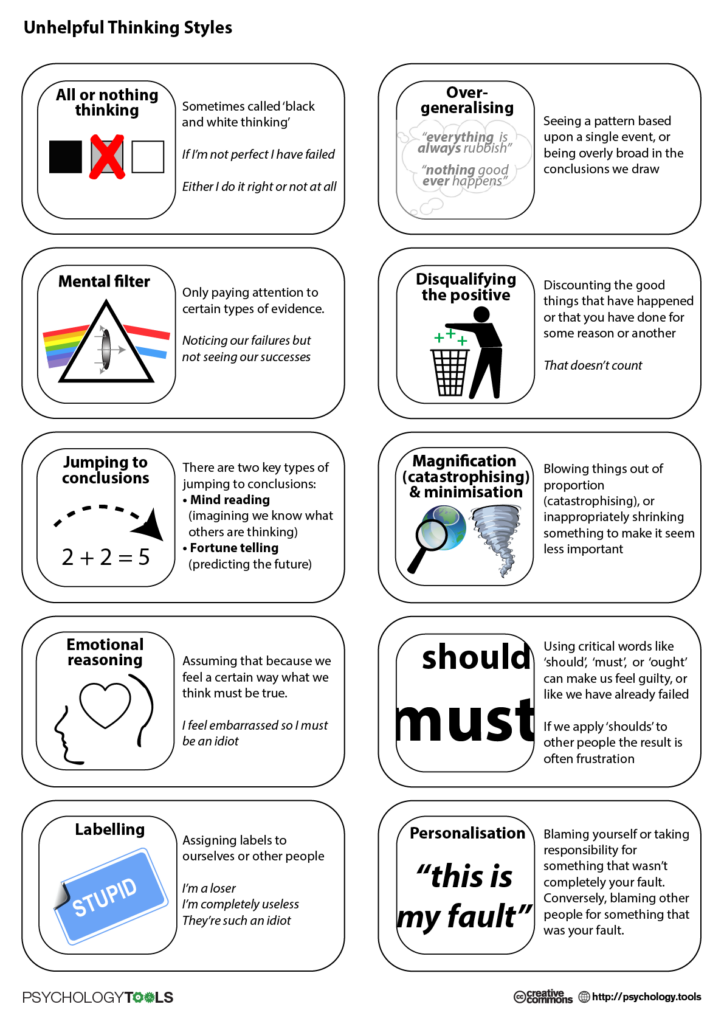
* Study logic. It helps with a lot of problems. Especially learn logical fallacies and unhelpful thoughts. Dialectic behavior therapy often uses logic to combat misconceptions and emotional issues.
* Study emotions. Here's a good introduction and a wheel of emotions. Name your feelings. Sit with your feelings.
* Recognize that many programs and platforms are designed to be addictive. View those features as threats to your safety and wellbeing. If you feel compelled to use them, consider a digital detox. Also, Buddhism has excellent resources for unwanting things. Just because you crave something does not mean you must be a slave to your craving forever.
The reality is that the internet isn’t going anywhere, social networks aren’t going anywhere, which means there will be a slew of people who find themselves on the back foot for whatever reason.
Well, maybe. Climate change is a very serious threat to technology as well as the environment. Frex, artificial intelligence uses massive amounts of energy and water, at the time we need to reduce our use of those things. If people make foolish choices now, they may cause systems to collapse and wind up without internet later on. That would suck, but it is more possible than most people realize.
Telling people to see a shrink is all well and good until you realize that there isn’t an established protocol to address these experiences.
Also there is a shortage of mental care in general and affordable care in particular.
Not long after I published my fandom trauma, revisited piece, another One Direction fan found herself harassed into deleting her accounts. In the email that was shared with the fandom, she specified “I wish I never began uploading” We can mock these people, but that doesn’t mean they’ll disappear. In fact, I think their numbers will only continue to grow. And as of right now, there is no framework to help them come to terms with what they’ve experienced and process it.
* When someone mistreats you, use your platform's tools to deal with that.
* When you see people picking on each other in a public venue, discourage the bully and say something kind to the victim. Then post unrelated on-topic content to help bury the bullshit.
* Do not allow people to abuse each other in any venue you control. Deal with it gently if possible, firmly if necessary. You are responsible for your venue. You wouldn't let someone shit on your carpet, so don't let them shit in your venue.
* It also helps to create spaces for people to connect with and support each other online. I've got my Wednesday rotation of Good News / Hard Things / Cuddle Party and other folks have their variations. Feel free to copy the concept if you find it useful.
* Teach skills of self-awareness, mindfulness, agency, kindness, and self-care.
* If you are active in a fandom, work on developing ways to welcome newcomers, resolve conflicts, and maintain a healthy culture.
Mocking the fans who are disappointed with Taylor Swift being “right-coded” or marrying a man when she’s supposed to be their single BFF for life or signalling from her closet makes for a great engagement bait. But it doesn’t help those people. I suspect those that pull dunks on these people don’t really care about their mental well-being, but I can assure you that being ridiculed doesn’t help. If we can recognize that it’s not healthy to be this invested, then we have to recognize that we need ways to work through it. And those don’t exist.
Of course they exist. Only the details are new, not the problems of people hurting each other or getting attached to stuff.
Let's address the issue of getting over-invested in something. First, recognize that you have done this and you're not happy about it. Second, examine the thing to see what unmet need you're trying to fill with it. In the example above, fans get attached to Taylor Swift to meet a social need. So then, think about other ways to meet that need more effectively. One might start a band or join a club to make new friends. If facetime friendship is unfeasible, then look for online venues that support healthy relationships and seek friends there.
Some of the criticism I’ve gotten is that my analysis and criticism doesn’t apply to the majority of fandom. I don’t deny that at all. That’s the point: that a miniscule percentage of overinvested fans are being catered to and led off the garden path. They may not be the majority of any fan base, but they are still real, they still have experiences.
I would say that most if not all fandoms have had serious fights at some time, and most if not all fans have had miserable experiences with a canon or fandom blowing up in their face.
The numbers might be miniscule, but the infrastructure that breeds them will continue to grow and spread— that isn’t even considering the way so many people are goaded and shepherded into unhealthy attachments to brands, groomed into seeking spiritual fulfillment from corporate products. Engagement is gamified, affect is being farmed and sustained through AI texting features and exclusive platforms. Fans are being extracted for cash and labour, only to find themselves hollowed out and despairing when reality doesn’t live up to their fantasies.
This is the kind of thing I mean when I say that fandom has turned into mundania with elf ears. That outright predatory stuff hasn't always been there; it came in with the mainstream.
Not understanding why they can’t just “log off,” not understanding how to make sense of the wasted time — in some cases, the wasted years. Where do we go for this type of after care?
Given the widespread unavailability of professional aid and its questionable value, I suggest forming peer support groups. You get the benefit of sympathy and suggestions from someone who has been through it.
It’s something I’d like to work on—but even thinking about how it could be implemented feels like such a massive hurdle.
If you feel called to this cause, remember that only the details are new. You can find resources for the root problems -- addictive behaviors, bullying, betrayal, friend loss, etc. -- which you can adapt to this context. Certainly practice and teach trauma-informed care. Client-centered therapy will likely work best in this area as it uses personal strengths to solve individual problems. It's a good toolkit anywhere that doesn't already have a lot of premade materials.
Is it worth training psychologists in these matters when the field itself is falling out of favour?
It's worth keeping an eye out for professionals interested in serving this need. However, the fields of psychology and psychiatry are indeed suffering losses due to America's choice to run health care as a business instead of a human need. That means most people cannot obtain care when they need it, so other methods will likely prove more effective.
Would group sessions be helpful or simply reinforce trauma and allow participants to ruminate, indefinitely?
This likely depends on the structure of the group and certainly on the personality of participants. A group could be designed with a framework of time for venting, time to discuss practical solutions, and suggested homework activities. Group sessions tend to be most attractive and helpful to extroverts.
Would workbooks be worthwhile, or just clog up the self-help aisles?
Workbooks offer an excellent resource for people who are unwilling or unable to attend private or group sessions in person and/or who don't find those things helpful. People have been solving their problems with journaling since the invention of writing -- earlier if you count pictograms as a kind of journal art therapy. Many helpful workbooks exist for other issues, so it would be straightforward to create some for this context. I recommend an approach like the WRAP workbook where you can pick and choose what pages to print for yours. A good workbook should include a thoughtful exploration of the problem(s) it addresses, discussion ideas, writing and/or art prompts, diagrams to illustrate important points, and a resource list for further study.
Well, online trauma in general.
Let's start by comparing and contrasting these two things.
Fandom trauma can happen online, in person, or other contexts. There is the trauma of betrayal when fans you thought of as friends mistreat you, or when creators of your canon do something abominable. Sometimes it's a dogpile of people picking on you. Other times, it's the loss of what you considered a community, a home. Occasionally it happens when a performer from your canon passes away, or does something heinous, and you feel upset as if it was someone close to you, but other people say it doesn't matter because it's just some famous person you didn't really know.
Online trauma is particular to the context of the internet. Thus it's embedded in the structures that people choose to create and use there. Remember that cyberspace is like the Jedi Tree: it contains only what we bring into it. But some people do some pretty unethical things in terms of designing platforms to be addictive or to encourage abusive behavior. If a platform doesn't have good privacy and moderation tools, that can make it hard to defend your boundaries. This is especially serious as more schools and jobs require people to interact online, even if they are bad at it and/or find it harmful. Thus traumatic experiences online can hinder people's future ability to meet the demands of other people when those online requirements retraumatize them. Online trauma can come from a specific fandom, from fandom in general, or from other things entirely.
We need a framework to understand and treat online trauma,
True. We also need ways of treating trauma in general, because mental care is still at the "virtuous pus" stage -- they don't want to bother with anything until it has festered into a life-wrecking disaster. That is literally in the description of many mental disorders: if it's not destroying your life, it's not worth anyone's time to help you. This is dangerous bullshit.
Obviously when you sustain a physical injury, prompt treatment is necessary to remove debris, minimize the chance of infection, and help it heal. The same is true of mental injuries. When something harms you, first remove yourself from the hazardous context. Then examine the injury and think about how you can make it better. Is your sense of belonging injured? Think about whether you want to belong with vicious people (probably not) and make time to spend with people who care about you. Is your sense of creativity injured? "If you hear a voice within you say, 'You cannot paint,' then by all means paint! And that voice will be silenced." Have people said cruel things that are now stuck in your head? Bad tape gets out the same way it goes in, one line at a time. Positive affirmations can help give you better internal dialog. Do you feel "dirty" somehow? Physical washing can remove moral contamination, but there are also spiritual or mystical methods of cleansing.
which includes fandom trauma, but let’s be real: fandoms are not the only online communities that can turn profoundly toxic.
Many online communities can become problematic. The most important solution to this problem is simply walking away. You are not a captive audience. Move to another platform or turn off your computer and go do something else. Pay attention to your mood. If a particular platform often makes you feel bad, then stop using it. There are others with better tools and atmosphere.
Consider creating a blog, community, website, or other venue of your own devoted to positive news, coping skills, holistic wellness, random acts of kindness and senseless beauty, nature as support, cute images of critters, craft techniques, or whatever lifts your spirits. Just because some people choose to doomscroll things that make them feel bad, doesn't mean you have to do that too. You could binge-watch paleontology or bushcraft videos, or upload your knitting projects, or something else constructive instead. With fanfic in particular, consider making your own fanwork archive. If you don't make fanworks, then you could create a site of reclists, such as "Heartwarming Stories to Read When You Feel Sad."
If you read my blog regularly, you'll note that I post a lot of positive news, craft projects, and other uplifting content amidst the activism, climate change, and other mayhem. You'll see that when I post about problems, I often include tips or links on what you can do to address those problems. These are mindful choices. If I'm going to handle heavy topics, I need to know how to do that safely. That includes switching to something upbeat if I start feeling bad.
Perhaps “treat” is the wrong word, because it suggests medical professionals,
No, treat is exactly the right word. When you skin your knee, "treat" is what you do when you dash into the bathroom, grab the first aid kit, wash off the dirt and blood, then apply antiseptic and probably a band-aid. Hopefully you also know the checklist of "consult a professional if..." things like a rock under the skin that you can't get out or bleeding that won't stop.
The problem is that modern America does not teach people even basic skills for mental health: what good health is like, what illness or injury looks like, what are some common minor issues you can handle at home and how to treat those, etc. All it does is flail about serious problems. Professionals? They will refuse to treat you until you have a serious problem, and that's if you can find one accepting new clients in your area and if you can afford to pay for care, because insurance often won't. Unless you have a life-wrecking problem that fits exactly one of a predetermined set of disorders that professionals have deemed worthy of their precious time -- or you're lucky enough to find a peer support circle -- chance are you're on your own. So you better understand how your mind works and how to patch it up when it gets scraped up.
but I can’t be the only one who thinks we’re at the precipice of swaths of people finding their mental health jeopardized because of their online experiences? Because of how deeply they’ve tied themselves to something that disintegrated upon further inspection?
There is already growing awareness that online experiences can harm people. It's not new. I've seen examples since the late 1980s. I would bet it goes back farther. What's changing is how common it is, because more people are spending more time online, sometimes in venues that are downright predatory. So we should think about how to handle those problems, in fandom and otherwise. Here are some of my fandom-specific resources:
Firing the Fandom Police
How to Make Fandom More Inclusive
Improving Community in Fandom
Snowflake Challenge 15: Future of Fandom
And these are my comments on someone else's tool:
The Three Laws of Fandom: The Laws Themselves
The Three Laws of Fandom: Additional Exchanges
I’ve been to therapy, but the reality is as far as I know there are no therapists out there that are explicitly familiar with the way we can be harmed by online culture and socialization. There is no framework to treat it. I did my best to contextualize my experience, explain the infrastructures, the feedback loops, the way being re-traumatized seemed inescapable, but it wasn’t easy.
I suspect that there are therapists who specialize in this issue, but probably not a lot of them, and in any case America has a drastic shortage of mental care so most folks couldn't get help anyway. So let's set up a framework:
* First think about healthy vs. unhealthy boundaries. A good online venue will support you in maintaining your boundaries; a bad one will violate them or encourage other to do so.
* Understand threats like bullying, ostracism, stalking, etc. that can happen online. Think about ways you could handle such problems.
* Know that there are many, many types of platforms online and they don't all have the same problems. If you experience problems on a platform, first use its tools to address the issues. If that doesn't help, then switch to another or even quit using the bad one. This is an effective way to avoid retraumatization.
* You don't have to go online at all. Society may pressure you to do so, but you can say no. There are plenty of people who just don't like it, or have tried it and found it more harmful than helpful. You can shut it off and walk away. Cook a meal from scratch. Weed the garden. Go for a walk. Practice a historic craft. Life doesn't have to be plugged in -- and you are not alone. Lots of people nowadays find the internet threatening. Find the others and hang out with them.
* When something or someone online hurts you -- enough that you can't shake it off after a few minutes -- then don't ignore it. Stop and do something pleasant. Take a bubblebath. Make a fruit smoothie. Call or visit a friend. Snuggle a fluffy blanket. Read some feel-good fanfic. It helps to have an emotional first aid kit of soothing things.
I have issues with the movement that says phones/social media/the internet is bad for kids. Not because I disagree with the sentiment, but because I think it applies to adults, too.
These things can be bad for anyone of any age. But they do not have to be bad. It depends on what people choose to create and consume. You can choose to doomscroll or to hopescroll. You can choose a site with good privacy and moderation tools or bad ones. You can use a match to light a barbecue grill or a forest fire.
But it’s also not as easy as just “logging off.” We are not logical beings, and even if we find ourselves miserable as we doomscroll, there is likely something that keeps us there. The rare euphoria that makes it worthwhile.
Some things to consider for this issue...
* Learn how your mind works. It belongs to you and you can master it. This will be easier if you have a standard-issue mind but even if you do not, you can study the one you have and figure out how to use it well.
* Study logic. It helps with a lot of problems. Especially learn logical fallacies and unhelpful thoughts. Dialectic behavior therapy often uses logic to combat misconceptions and emotional issues.
* Study emotions. Here's a good introduction and a wheel of emotions. Name your feelings. Sit with your feelings.
* Recognize that many programs and platforms are designed to be addictive. View those features as threats to your safety and wellbeing. If you feel compelled to use them, consider a digital detox. Also, Buddhism has excellent resources for unwanting things. Just because you crave something does not mean you must be a slave to your craving forever.
The reality is that the internet isn’t going anywhere, social networks aren’t going anywhere, which means there will be a slew of people who find themselves on the back foot for whatever reason.
Well, maybe. Climate change is a very serious threat to technology as well as the environment. Frex, artificial intelligence uses massive amounts of energy and water, at the time we need to reduce our use of those things. If people make foolish choices now, they may cause systems to collapse and wind up without internet later on. That would suck, but it is more possible than most people realize.
Telling people to see a shrink is all well and good until you realize that there isn’t an established protocol to address these experiences.
Also there is a shortage of mental care in general and affordable care in particular.
Not long after I published my fandom trauma, revisited piece, another One Direction fan found herself harassed into deleting her accounts. In the email that was shared with the fandom, she specified “I wish I never began uploading” We can mock these people, but that doesn’t mean they’ll disappear. In fact, I think their numbers will only continue to grow. And as of right now, there is no framework to help them come to terms with what they’ve experienced and process it.
* When someone mistreats you, use your platform's tools to deal with that.
* When you see people picking on each other in a public venue, discourage the bully and say something kind to the victim. Then post unrelated on-topic content to help bury the bullshit.
* Do not allow people to abuse each other in any venue you control. Deal with it gently if possible, firmly if necessary. You are responsible for your venue. You wouldn't let someone shit on your carpet, so don't let them shit in your venue.
* It also helps to create spaces for people to connect with and support each other online. I've got my Wednesday rotation of Good News / Hard Things / Cuddle Party and other folks have their variations. Feel free to copy the concept if you find it useful.
* Teach skills of self-awareness, mindfulness, agency, kindness, and self-care.
* If you are active in a fandom, work on developing ways to welcome newcomers, resolve conflicts, and maintain a healthy culture.
Mocking the fans who are disappointed with Taylor Swift being “right-coded” or marrying a man when she’s supposed to be their single BFF for life or signalling from her closet makes for a great engagement bait. But it doesn’t help those people. I suspect those that pull dunks on these people don’t really care about their mental well-being, but I can assure you that being ridiculed doesn’t help. If we can recognize that it’s not healthy to be this invested, then we have to recognize that we need ways to work through it. And those don’t exist.
Of course they exist. Only the details are new, not the problems of people hurting each other or getting attached to stuff.
Let's address the issue of getting over-invested in something. First, recognize that you have done this and you're not happy about it. Second, examine the thing to see what unmet need you're trying to fill with it. In the example above, fans get attached to Taylor Swift to meet a social need. So then, think about other ways to meet that need more effectively. One might start a band or join a club to make new friends. If facetime friendship is unfeasible, then look for online venues that support healthy relationships and seek friends there.
Some of the criticism I’ve gotten is that my analysis and criticism doesn’t apply to the majority of fandom. I don’t deny that at all. That’s the point: that a miniscule percentage of overinvested fans are being catered to and led off the garden path. They may not be the majority of any fan base, but they are still real, they still have experiences.
I would say that most if not all fandoms have had serious fights at some time, and most if not all fans have had miserable experiences with a canon or fandom blowing up in their face.
The numbers might be miniscule, but the infrastructure that breeds them will continue to grow and spread— that isn’t even considering the way so many people are goaded and shepherded into unhealthy attachments to brands, groomed into seeking spiritual fulfillment from corporate products. Engagement is gamified, affect is being farmed and sustained through AI texting features and exclusive platforms. Fans are being extracted for cash and labour, only to find themselves hollowed out and despairing when reality doesn’t live up to their fantasies.
This is the kind of thing I mean when I say that fandom has turned into mundania with elf ears. That outright predatory stuff hasn't always been there; it came in with the mainstream.
Not understanding why they can’t just “log off,” not understanding how to make sense of the wasted time — in some cases, the wasted years. Where do we go for this type of after care?
Given the widespread unavailability of professional aid and its questionable value, I suggest forming peer support groups. You get the benefit of sympathy and suggestions from someone who has been through it.
It’s something I’d like to work on—but even thinking about how it could be implemented feels like such a massive hurdle.
If you feel called to this cause, remember that only the details are new. You can find resources for the root problems -- addictive behaviors, bullying, betrayal, friend loss, etc. -- which you can adapt to this context. Certainly practice and teach trauma-informed care. Client-centered therapy will likely work best in this area as it uses personal strengths to solve individual problems. It's a good toolkit anywhere that doesn't already have a lot of premade materials.
Is it worth training psychologists in these matters when the field itself is falling out of favour?
It's worth keeping an eye out for professionals interested in serving this need. However, the fields of psychology and psychiatry are indeed suffering losses due to America's choice to run health care as a business instead of a human need. That means most people cannot obtain care when they need it, so other methods will likely prove more effective.
Would group sessions be helpful or simply reinforce trauma and allow participants to ruminate, indefinitely?
This likely depends on the structure of the group and certainly on the personality of participants. A group could be designed with a framework of time for venting, time to discuss practical solutions, and suggested homework activities. Group sessions tend to be most attractive and helpful to extroverts.
Would workbooks be worthwhile, or just clog up the self-help aisles?
Workbooks offer an excellent resource for people who are unwilling or unable to attend private or group sessions in person and/or who don't find those things helpful. People have been solving their problems with journaling since the invention of writing -- earlier if you count pictograms as a kind of journal art therapy. Many helpful workbooks exist for other issues, so it would be straightforward to create some for this context. I recommend an approach like the WRAP workbook where you can pick and choose what pages to print for yours. A good workbook should include a thoughtful exploration of the problem(s) it addresses, discussion ideas, writing and/or art prompts, diagrams to illustrate important points, and a resource list for further study.


(no subject)
Date: 2025-10-07 06:35 am (UTC)Psychology is not "one size fits all", or even "fits most". It can take multiple tries even for people who have severe, life threatening mental illness. Psychiatrists end up pushing pills more than actual therapy. Yes, for some folks, the pills are needed to fix a chemical imbalance. Yet often those people need to go through multiple different medications to find one that fixes the most pressing issue without too many unbearable side effects.
Medicine here in the US has been reduced to quick diagnostic codes and assembly line treatment. Finding a doctor that can treat all the physical issues is difficult. Finding one who can treat the mind is even harder. No wonder quack medicine like RFK Jr peddles is so appealing: it takes complicated situations and reduces the solutions to platitudes like "Eat right, sleep right, and exercise in the sunshine." But it's all BS.
IMO, the best way to handle the problems of modern life is self development and self knowledge. This is not easy, and can't really be done by anyone except the individual. But the best way to not be a victim is to know yourself well enough to spot the attacks, and know when to cut and run.
I will always say there are two ways to handle bullies: Remove yourself from their area of effect, or punch them in the nose (physically or metaphorically.) Most often, making yourself scarce is the best option, because the other method requires too much investment into the solution and has varying success. The times I have had to deal with bullies for prolonged periods were when I couldn't do either (school and work.) I've had to learn that it costs me more to stay in a job with a bully than to quit without a job lined up.
Yes ...
Date: 2025-10-07 07:45 am (UTC)In fact, most of the time when people say "get help," there is no help available. Frex, battered women -- the reason they stay is often not emotional attachment but rather there is nowhere they can get a bed and food, help finding a job, etc. away from the bastard. Who is often the source of her health insurance too. And an abused man has even less chance because all the spousal abuse resources are for women only. >_< So whenever someone says "get help," demand that they do all the research and hand over a list of definitely available local options. Put up or shut up.
>> Insurers still won't pay for anything that isn't "fix this person just enough so they can go back to being a productive drone", in a maximum of ten sessions or less.<<
That is an example of the inherent conflict of interest when the paying customer and the recipient of benefits are not the same person. The insurance company wants to keep its money; the recipient wants to obtain health care. In order to get paid, providers have to please the paying customer, not the person with the problem. And that's what goes wrong when you treat health care as a business instead of a human right.
For anyone who is not and/or does not want to be a standard-issue human, help is very rarely available and what's offered is often downright dangerous. Hence why I suggested peer support circles as an option: if you can find people who've dealt with your problem personally, then it's likely you can get sympathy and helpful ideas from them.
>>Psychology is not "one size fits all", or even "fits most".<<
It'd be a lot more useful if they'd admit there is more than one way of being human. Species isolation has made people weird.
>>Yet often those people need to go through multiple different medications to find one that fixes the most pressing issue without too many unbearable side effects.<<
Yeah, that's hard.
>>Medicine here in the US has been reduced to quick diagnostic codes and assembly line treatment.<<
And then they whine when people don't want to do that, because it doesn't fix a lot of problems.
>>Finding a doctor that can treat all the physical issues is difficult.<<
Or is even willing to consider your problems worth addressing. Or has time to fix them in 10 minutes.
>>No wonder quack medicine like RFK Jr peddles is so appealing: it takes complicated situations and reduces the solutions to platitudes<<
I think it appeals because it puts the power in the individual's hands -- that you could do an exercise, or buy a supplement, and not need someone's fucking permission to do that.
>> like "Eat right, sleep right, and exercise in the sunshine." But it's all BS. <<
No, those are actually three things you should check when you have a problem. Poor diet, poor sleep, lack of exercise, and lack of nature will all screw your health in various horrible ways. If you can't figure out what is wrong and how to fix it on your own, then you have to go through the whole list of asking if it's bad enough to justifying trying to find someone else willing and able to help you.
>> IMO, the best way to handle the problems of modern life is self development and self knowledge. This is not easy, and can't really be done by anyone except the individual.<<
Those are excellent steps. They often reveal that you need to make life choices diverting from the mainstream, because society is horrible at meeting human needs.
>> But the best way to not be a victim is to know yourself well enough to spot the attacks, and know when to cut and run.<<
Agreed.
>>I will always say there are two ways to handle bullies: Remove yourself from their area of effect, or punch them in the nose (physically or metaphorically.) <<
Indeed, the most successful tactic -- hiring a lawyer -- has a dismal 16% success rate. O_O
>>Most often, making yourself scarce is the best option, because the other method requires too much investment into the solution and has varying success.<<
Hence why most people do leave -- and that's exactly why bullies in the workplace cause a business to hemorrhage money. Finding and training new employees is expensive.
>> The times I have had to deal with bullies for prolonged periods were when I couldn't do either (school and work.) I've had to learn that it costs me more to stay in a job with a bully than to quit without a job lined up.<<
I usually stab them in the reality tunnel until they recognize that I am not a safe target and leaving me alone is less painful. A well-placed barb can do lasting damage since, as we discussed above, mental care is minimally available here and not all that good at solving problems.
However, I agree that evasion is often preferable, and is my go-to response for dealing with online issues. They can't stop me from leaving and I don't have to care about them. I've got an endless list of other things I could be doing.
(no subject)
Date: 2025-10-09 03:26 pm (UTC)Side note : friends and relatives can be a /big/ help in scaffolding for mental health care (with consent of the patient).
(no subject)
Date: 2025-10-10 05:22 am (UTC)Yes ...
Date: 2025-10-10 05:31 am (UTC)(no subject)
Date: 2025-10-10 03:09 pm (UTC)Yes ...
Date: 2025-10-11 06:03 am (UTC)Re: Yes ...
Date: 2025-10-16 06:13 pm (UTC)Re: Yes ...
Date: 2025-11-17 07:50 am (UTC)Re: Yes ...
Date: 2025-11-20 12:12 am (UTC)On a related topic, I have learned that medical offices* might not provide interpreters until the appointment...which doesn't help with intake paperwork.
*This was not the ER, though the "Oh, can you translate?" assumption /does/ seem to be everywhere...
Amusingly, for this ER visit, we were there so long that by early morning when one of the nurses was coming out to collect a particular patient, I was able to direct her to the correct person...who had managed to fall asleep (if I remember correctly) contorted in a chair and hidden under a sheet.
(no subject)
Date: 2025-10-07 08:37 am (UTC)I have found a lot of things I value in facebook: keeping track of people I care about who live far from me, at least intermittently; groups about things like autism where I can read a lot of different people's experiences and opinions; information about zoom filk circles; and so on. I also find a LOT of stuff that is dysfunctional, and I think that particular platform's algorithms are nearly always actively hostile, but I'm good at scrolling past stuff, and there's things there, especially being able to at least find and message people, that no other platform can match. (I even curated their ads by hiding ads I don't want to see and telling them to show me more ads for pretty stuff I won't buy, but will enjoy seeing, and fantasy books. There's still too many ads, but at least they're not things I find hostile or unpleasant to even scroll past.)
It is also easy for me to hang out with other like-minded people on the internet, mostly neurodivergent people who share interests with me. Musicians (not only filkers), crafters, writers, animal lovers, nature lovers, and fans. The people I get along with best often don't live near me. At least with the internet, I can keep in contact with them, and sometimes even arrange to get together on zoom or in person. And with the internet, I don't have to worry about catching every respiratory(ish) virus that comes around, knowing that I'll be twice as sick for twice as long and nearly always get bronchitis or a sinus infection after that. I would be a lot lonelier without the internet.
I do hopescrolling sometimes, joyscrolling even more often (looking for beauty, both natural beauty and the many kinds of beauty people create when they have worked at gaining some skill, and looking for people sharing their own joys and enthusiams). And when I don't have enough spoons, I don't go there, especially not to the more toxic places.
I think that the focus on calling social media bad is more because it is new than because it is inherently more dangerous than meat-space. Life is inherently dangerous. Trauma happens, both accidentally and on purpose, in both spaces. It may be that the treatment for internet-space trauma requires a different approach than meat-space trauma, though I'm not sure about that. I'm pretty sure the skills to avoid or mitigate trauma in those two spaces are different, though that might be mostly the difference between managing in-person social interactions (which are super-hard for a lot of neurodivergent people) and managing social interactions in virtual space (for some people, it's a lot easier to control their words than their volume, for example, or for a different example, I'm know some people find it harder to say anything important to someone's face than to write it.)
Setting boundaries, respecting your own limits, limiting exposure to toxic people, learning to recognize when an interaction or person is toxic to you, all of those things are needed in either space to reduce the amount of trauma in your life, and to increase the amount of healthy interactions you have with others. Finding things that heal your soul and spirits are also needed in both spaces.
I certainly agree with you that internet trauma is real and needs to be recognized and treated appropriately. It just really bothers me that people say "social media is bad for you" rather than "internet-space or meat-space, exposing yourself to bullies is a bad idea" and "internet-space or meat-space, if someone is toxic and/or is hurting you, you totally have the right to stop being in a friendship or other relationship with that person" and so on.
Thoughts
Date: 2025-10-07 09:21 am (UTC)It is easier, plus they're not a physical threat.
>>I have found a lot of things I value in facebook:<<
Many people do.
>>It is also easy for me to hang out with other like-minded people on the internet, mostly neurodivergent people who share interests with me. Musicians (not only filkers), crafters, writers, animal lovers, nature lovers, and fans. The people I get along with best often don't live near me. At least with the internet, I can keep in contact with them, and sometimes even arrange to get together on zoom or in person.<<
Exactly. Potential friends for me are scattered far and wide. Most of them are nowhere near me. Most of the people nearby are not very compatible. And that matters a lot, because when people say that online friends are no substitute for real friends, those are people who can walk into any random group and connect with half of them; not people who could go through 4 groups of 25 and maybe find one of interest -- who might not be interested back.
>>And when I don't have enough spoons, I don't go there, especially not to the more toxic places.<<
Yes, and I also don't get on and say bitchy things when I'm in a bad mood. If I notice myself doing that, I quit and go read fanfic or watch craft videos or something.
>>I think that the focus on calling social media bad is more because it is new than because it is inherently more dangerous than meat-space. <<
Partly, but I think a lot of it is because so many social media platforms are designed to be abusive and addictive. The problem is that people don't bother to specify that or distinguish between better or worse platforms.
>> Life is inherently dangerous. <<
That's the thing about mortality -- nobody gets out of it alive. To be born is to die, but that makes Americans uncomfortable.
>>It may be that the treatment for internet-space trauma requires a different approach than meat-space trauma, though I'm not sure about that.<<
I suspect it's a Venn diagram with some but not total overlap. For instance, people who love being online and don't want to disconnect despite injuries may be attracted to and helped by various mental health apps.
>>Setting boundaries, respecting your own limits, limiting exposure to toxic people, learning to recognize when an interaction or person is toxic to you, all of those things are needed in either space to reduce the amount of trauma in your life, and to increase the amount of healthy interactions you have with others. Finding things that heal your soul and spirits are also needed in both spaces.<<
Agreed.
>>It just really bothers me that people say "social media is bad for you" rather than "internet-space or meat-space, exposing yourself to bullies is a bad idea" and "internet-space or meat-space, if someone is toxic and/or is hurting you, you totally have the right to stop being in a friendship or other relationship with that person" and so on.<<
Well reasoned. I think "social media is bad for you" is incomplete to the point of troublesome. Not all social media is the same, and not everyone uses it the same. People talked about YouTube being bad for body image. I don't know what the hell they were doing with it, but I was watching paleontology and bushcraft and terrarium building. And I resent that I had to cut back on that viewing because YouTube is doing shitty things. After all, if they're AI editing videos without notice or permission, I can't rely on anything being factual -- they may have edited content and just not gotten caught at that yet. >_
Re: Thoughts
Date: 2025-10-09 03:34 pm (UTC)I think meatspace meets social needs in ways that online just /can't/... but that doesn't mean that online isn't valuable! It just means don't completely abandon being around other casually-friendly humans in meatspace.
Re: Thoughts
Date: 2025-10-20 08:59 pm (UTC)At least, it's much easier to do things like help a friend move in person, but I've seen people arrange them long-distance. I once organized a baby shower for a friend in a shared-world group where none of us lived close to each other.
>> but that doesn't mean that online isn't valuable! It just means don't completely abandon being around other casually-friendly humans in meatspace.<<
If meatspace is an option for you, it's worth pursuing. But for many people, there are few or no potential friend candidates locally. In that case, online friends fill a formerly empty slot.
Re: Thoughts
Date: 2025-10-31 04:01 am (UTC)I'm not limiting socialization to friendships; it is possible to, say, go work on your laptop in a coffee shop or have a few nice conversations with folks while shopping. That sort of in-person interaction feeds a different part of the brain than strictly online interaction. And yes, I likely couldn't find someone to discuss alien linguistics or robot genocides with in RL, and online friendships are great for that! So they're both useful/important/something, but for some people they are so in the same ways and others in different ways.
Re: Thoughts
Date: 2025-11-03 06:25 am (UTC)I class those as friendly acquaintances, if they're people I see more than once.
>> That sort of in-person interaction feeds a different part of the brain than strictly online interaction.<<
For me, casual interactions rarely if ever feed me any kind of energy I can use. They're just nice because they're less stressful.
Re: Thoughts
Date: 2025-11-08 05:44 am (UTC)I suppose I'm lumping different types of positive social interaction together.
>>For me, casual interactions rarely if ever feed me any kind of energy I can use. They're just nice because they're less stressful.<<
I observe that being around other people is sometimes... not exactly soothing but it makes my monkey brain happy? Like having nature noises or music on is better than silence.
Re: Thoughts
Date: 2025-12-15 06:23 am (UTC)Do what makes sense to you.
I count friendly acquaintances different from stumbling across random people who are friendly enough to have a conversation. Especially, since we go to some regular events and stores, there are people we are happy to see again. Just last weekend, the Marshall holiday market had several of our favorite bakers from the summer farmer's market.
>>I observe that being around other people is sometimes... not exactly soothing but it makes my monkey brain happy? Like having nature noises or music on is better than silence.<<
Extroverts get that a lot, they can gain energy from the pitch pool in most places.
I can only do it in a few. One reason I gravitate to some of the farmer's markets and other small-town events is the way they feel.
"I outgrew that"
Date: 2025-10-07 02:44 pm (UTC)But "I outgrew that."
-I quit tolerating fandom police, when earlier I had felt that the "definition of fan" was something set by others, and thus, enforced by others.
-I quit treating the iterations as "a direction promoted/advanced/articulated/speculated about by Rodenberry. It became very clear in various later works, WHICH ones upheld the 'slowly improving future' world of Trek, and which... didn't. That gave me room to focus on the fandom that I still loved and either have discussions about the parts that bothered me, or to sidestep them, depending on my mood and coping skills at the moment.
-I stopped dismissing "fandom shenanigans," especially online ones, as "just part of the package. ignore it." The damage caused by someone saying something heinous then dismissing it with a very gaslighting "Just kidding," is in all practical ways identical whether they say it to your face or post it online addressed to you. It's particularly damaging when it's a direct message, regardless of the original platform.
Basically, I had to develop boundaries. First, a vague disquiet that I chose to avoid, then an opinion that I could articulate, and perhaps defend.
Think about how many DECADES --since my childhood-- of pain specific to this type of social interaction that I could have minimized or outright avoided, if teaching boundaries had been PART of my childhood. I used teaching via fiction with my boys because, "nobody has time to make all the mistakes possible directly; learn from fiction so that you'll avoid at least some of them!"
But also, I came at the problem with no real concept that boundaries could be created BY me only applied TO me, which is a very effective summary of "abuse survivor," isn't it? And the same people abusing or surviving abuse also go online, which makes it a good way to examine problems which are one step removed from reality, and thus less dangerous or threatening.
Make fandom a playground to practice, and see for YOURSELF what makes you feel better, happier, and more fond of your fandom. What types of people or comments do you avoid? What can turn you off of a fandom completely? Those things are all important, so pay attention, because they are the fenceposts that support and define your boundaries.
Re: "I outgrew that"
Date: 2025-10-07 07:24 pm (UTC)That's good progress.
I never cared about fandom police. I mean, if I cared what people think, I wouldn't be the freak that I am -- I'd be doing the expected things instead.
>> -I quit treating the iterations as "a direction promoted/advanced/articulated/speculated about by Rodenberry. It became very clear in various later works, WHICH ones upheld the 'slowly improving future' world of Trek, and which... didn't. <<
Yeah, liked Roddenberry's vision, but I've found many of the iterations disappointing. Which is true of most modern entertainment; it's often depressing.
>> -I stopped dismissing "fandom shenanigans," especially online ones, as "just part of the package. ignore it." <<
I draw a distinction between shenanigans and bullying. Shenanigans are things like someone in a Klingon costume visiting the hotel restaurant and ordering in Klingon. They're silly and harmless. Bullying is not harmless. But to be in fandom as a culture, you do need to be okay with a higher level of weirdness than the mainstream tolerates.
>>The damage caused by someone saying something heinous then dismissing it with a very gaslighting "Just kidding," is in all practical ways identical whether they say it to your face or post it online addressed to you.<<
The best way to handle that is to point out the difference between a genuine joke and an attack. If a genuine joke falls flat, the person will say, "Oh gosh, I'm so sorry. I'll remember you don't like that kind of joke," and they won't do it again. Only an attacker will try to cover up the offense by blaming the victim. Since pretty much everyone has had a joke fall flat, they will understand the difference.
>> It's particularly damaging when it's a direct message, regardless of the original platform.<<
Agreed.
>>Basically, I had to develop boundaries. First, a vague disquiet that I chose to avoid, then an opinion that I could articulate, and perhaps defend.<<
Well reasoned.
>>Think about how many DECADES --since my childhood-- of pain specific to this type of social interaction that I could have minimized or outright avoided, if teaching boundaries had been PART of my childhood. <<
Yeah, I got that growing up as a little hippie, it came with the activism. I also got a good education about my body. Last time we watched a show about sex, and all the women who didn't know how to have an orgasm, I thanked my parents very seriously for my hippie education.
>> But also, I came at the problem with no real concept that boundaries could be created BY me only applied TO me, which is a very effective summary of "abuse survivor," isn't it? <<
That is one of the best definitions I have heard, and you should definitely use it in a story so other people can see it and share it around.
I never had much tolerance for unequal relationships, and would kick it out into the open -- especially when people resorted to unequal enforcement of rules. It made them very uncomfortable, and they really couldn't afford for me to belt it out in public.
>> And the same people abusing or surviving abuse also go online, which makes it a good way to examine problems which are one step removed from reality, and thus less dangerous or threatening.<<
Very true.
>> Make fandom a playground to practice, and see for YOURSELF what makes you feel better, happier, and more fond of your fandom. What types of people or comments do you avoid? What can turn you off of a fandom completely? Those things are all important, so pay attention, because they are the fenceposts that support and define your boundaries.<<
Good advice.
Re: "I outgrew that"
Date: 2025-10-07 07:58 pm (UTC)People who cannot see the difference, well, they should be treated with the same caution as an abandoned suitcase in a transit hub today.
Re: "I outgrew that"
Date: 2025-10-09 03:41 am (UTC)Re: "I outgrew that"
Date: 2025-10-09 01:58 pm (UTC)Sigh.
Sometimes, I wonder HOW insane the species would be, if assessed by an impartial alien with an understanding of the relevant culture. (in this case, USA-American, anglo, in 2025. I'd only judge the whole against the culture that I am most familiar with. It's fairly close to, but not identical to, the dominant Western culture. The details matter.)
Re: "I outgrew that"
Date: 2025-10-09 03:41 pm (UTC)1) If the aliens have an intuitive understanding, their conclusion will be different than operating from a rulebook understanding.
2) I'd actually expect most aliens to have their own illogical cultural nonsense... or even just cultural pitfalls.
Re: "I outgrew that"
Date: 2025-10-09 09:27 pm (UTC)Re: "I outgrew that"
Date: 2025-10-10 03:57 am (UTC)I've seen a couple versions of 'subtle' where one character can see UV light and another cannot.
For wider divergences you get something like a story I read once, where no-one expected the packbonded humans to go berserk and attack the in-universe version of Reavers when the 'typical' response would be to write off hostages and flee. (Not as cruel as it sounds : 1 most aliens focus on herd survival, as opposed to humans focusing on friend's survival, and 2 the 'Reavers' are the strongest species around until humans turn up.)
Re: "I outgrew that"
Date: 2025-10-10 12:18 pm (UTC)Re: "I outgrew that"
Date: 2025-10-10 03:06 pm (UTC)Re: "I outgrew that"
Date: 2025-10-10 04:35 pm (UTC)Re: "I outgrew that"
Date: 2025-10-10 05:36 pm (UTC)You could try the Jenkinsverse (online). I haven't read all of it but it looks pretty good.
https://tvtropes.org/pmwiki/pmwiki.php/Literature/TheJenkinsverse
While the description calks humans violent, most of the human characters I've seen in this are squicked out if they accidentally hurt someone, and if given a choice they'll try to avoid hurting people.
This is the one I read :
https://www.reddit.com/r/HFY/wiki/series/the_xiu_chang_saga/
Re: "I outgrew that"
Date: 2025-10-10 06:52 pm (UTC)Re: "I outgrew that"
Date: 2025-10-10 10:15 pm (UTC)(no subject)
Date: 2025-10-08 07:49 pm (UTC)You're welcome!
Date: 2025-10-09 02:00 am (UTC)(no subject)
Date: 2025-10-09 03:23 pm (UTC)Thoughts
Date: 2025-10-10 12:16 am (UTC)I believe that it does, for various reasons including:
* If someone can't use a computer or internet because of trauma, that amounts to a crippling disability in a society where almost every job and service requires doing so.
* The treatments are different, in particular, finding things to do offline will help many people -- especially "slow" things like hiking, baking bread, knitting, growing a garden, etc.
>> and overspecialization in medicine is causing problems anyway - but it is good to be aware of potential new problems.<<
I agree that overspecialization is a problem. However, nobody can do all the things. Counselors often post a list of things they are good at including both problems and treatments. Someone might treat internet addiction, problem drinking, gambling, and other addictive behaviors; or online trauma, school / job bullying, relationship trauma, etc.
Re: Thoughts
Date: 2025-10-10 04:10 am (UTC)To clarify, by 'medical specialization' I am thinking of something like an optometrist or cardiologist, where they only do This One Thing.
I just don't think we need a therapist who does internet trauma and only internet trauma. A therapist specializing in trauma as a category with experience/training for internet stuff, sure.
Re: Thoughts
Date: 2025-10-27 07:55 am (UTC)True. Some counselors are generalists. Some have a broad field like "relationship counseling" or "sexual trauma." Others have a cluster of things based on their own experiences or on techniques they're certified in like art therapy and sand tray therapy.
>> I just don't think we need a therapist who does internet trauma and only internet trauma. A therapist specializing in trauma as a category with experience/training for internet stuff, sure.<<
Probably not for internet trauma alone.
Re: Thoughts
Date: 2025-10-31 04:21 am (UTC)That makes sense - have general skills with trainings, or a specialty with several subcategories.
>>Probably not for internet trauma alone.<<
Yeah. So someone specializing in trauma, with, say, certifications/subspecialties in PTSD, bullying, internet trauma, etc would make sense.
Re: Thoughts
Date: 2025-11-24 08:38 am (UTC)Both approaches are valid. Also, there's more need of broad services in areas with only one or a few providers, but more need of specialties in high-density areas.
>>So someone specializing in trauma, with, say, certifications/subspecialties in PTSD, bullying, internet trauma, etc would make sense.<<
Exactly.
Coming back to this
Date: 2025-11-10 01:46 pm (UTC)https://pubmed.ncbi.nlm.nih.gov/40062681/#:~:text=Regression%20analyses%20confirmed%20that%20survivors,Society%20for%20Traumatic%20Stress%20Studies.
So, in simple terms, take the 1 in 10 rule of thumb for sexual abuse in children, or the 1 in 4 ratio for other forms of abuse over the span of birth to eighteen years for the children in the USA today.
One experience makes the next more likely, AND adds other dimensions to the trauma, AND involves more and more perpetrators as the incidents pile up.
When someone already slogging through Mordor goes online and finds the oh-so-dismissively named "cyberbullying" that no one seems willing to address in any meaningful way, it's going to cause damage, even if that's the first incident of abuse in the victim's life. If it's NOT the first, it's like the water from the fire hoses that put out the blaze in someone's house.
It's nice to say "therapy, therapy, therapy," BUT--
- Insurance cuts and price increases are going to make it unattainable for a larger percentage of the American population starting 1 Jan of 2026, and getting worse every year thereafter, possibly for decades.
- ACCESS doesn't just include the cost of copays. If the only sliding scale clinic can see a new patient once in three months, then only once every other month, how much can be accomplished, really? It takes time spent TOGETHER to build trust, and I for one would barley tell my favorite color to someone I've known for precisely 62 minutes (one 45 minute assessment and partway through the second appointment).
- As part of access, TRANSPORTATION is a huge problem. Timing of appointments could mean spending two hours one way just to GET to it, which means that someone will probably have to take the entire day off work just because of the transportation problem. That, in turn, feeds back into the cost loop.
- On top of all of THIS is the usual social tension of meeting a new person and developing some kind of functional, transactional basis for communication, and THAT will be built into proper trust over many meetings.
= == =
So, I'm not going to whinge and point out how idealistic the "get therapy" comments are. I'm going to say that it's time to take mental health as personally and as seriously as the individual does their cholesterol level, their BMI, and their night time skin care routine. Why? Because we CAN affect those things in small or moderate ways which BUILD into long-term changes that benefit the individual in measurable ways when they do go back to the scheduled doctor visits.
How do I start?
Pick a problem.
If that's too much, tear a sheet of paper into a dozen pieces, write ONE problem on it in ten words or less, drop the pieces in a paper bag and pick one at random. If we're sticking to mental, social, and emotional issues, the list could be : I'm up too late overthinking and feel tired all day. N at work always gives me kak-handed compliments, just me. I want to tell the neighbor something, but they glare and STARE if I even wave. I spent an hour writing an email privately to someone in my mom-support group, and yesterday, she posted it "by accident".
(Notice how ONE of those ideas will be difficult to write on anything smaller than a three-by-five card? Be gentle with yourself about the details.)
There are going to be zillions of suggestions, advice articles, and books recommended on Amazon that fit your keyword search. Know that most of them will be at best marginally useful but inoffensive, but some will be actively destructive. The best few will be staggeringly insightful and helpful. I can't predict which will fill that role, but I hope that they pop up often enough to keep you motivated along the way.
Before you take off on a journey of self-directed self-help, learn what good resources look like. Reputable sources make that easier. Not hiding behind a paywall REALLY helps. So, look at four or five web articles, or book blurbs, and asses would you suggest that a good friend read this? That'll probably cut the number of items to check by half. Good for you. Life is too short to waste one minute on "advice" that's just one long marketing blurb at best.
The library is your friend.
Even with the previous advice, my last tip seems counterintuitive: read for a short, comfortable period, then put it away and do something else. Wait to reflect until the next day. Thinking takes time, and reflection is the distillation of thinking. It's the difference between wine and brandy.
In moments of crisis, there are national and local crisis lines for phone or text, sometimes online chat, for the type of issue a person is dealing with, just without directly mentioning that the problem is online.
This is the "Walking up Everest" level of stubborn independence. With tools that work for an individual, at least it's not adding "barefoot" to that description.
But, when everything listed as potential complications turns into a maze that one can't climb over, burrow under, or find a route THROUGH, it's time to dip out of the maze for wide open spaces.
Peer support is fantastically helpful.
If it's too soon to put any trust in an online stranger, though, JUST finding safe places online is also a help. That's the "wide open spaces" element of my earlier metaphor.
It's still progress.
It's still protecting yourself.
Re: Coming back to this
Date: 2025-11-10 09:48 pm (UTC)Very true. The damage tends to leave signs that other predators target to identify easy meat.
However, if the survivor can access self-defense training, that greatly reduces the chance of revictimization by random attackers by directing their body language and habits in ways that make them look unappealing to those seeking easy meat.
>> When someone already slogging through Mordor goes online and finds the oh-so-dismissively named "cyberbullying" that no one seems willing to address in any meaningful way, it's going to cause damage, even if that's the first incident of abuse in the victim's life. If it's NOT the first, it's like the water from the fire hoses that put out the blaze in someone's house.<<
Also true.
>> It's nice to say "therapy, therapy, therapy," BUT-- <<
Many people avoid it because it would make them a target, or because they are unwilling to tell the government, military, and other powerful organizations about all their problems (since official therapy requires signing away privacy).
>>If the only sliding scale clinic can see a new patient once in three months, then only once every other month, how much can be accomplished, really?<<
Not to mention the places with waiting periods of months or years, during which a person receives no care.
>> It takes time spent TOGETHER to build trust, and I for one would barley tell my favorite color to someone I've known for precisely 62 minutes (one 45 minute assessment and partway through the second appointment).<<
That problem is nearly universal throughout American health care, because it actively prevents establishing rapport. Then medics whine that people don't tell them things.
>> As part of access, TRANSPORTATION is a huge problem. <<
True for facetime meetings, which many people prefer. However, video or phone therapy remove this issue for people who like those options -- if they're available.
>> - On top of all of THIS is the usual social tension of meeting a new person and developing some kind of functional, transactional basis for communication, and THAT will be built into proper trust over many meetings.<<
Especially hard for introverts or others who find people generally unappealing.
>>Because we CAN affect those things in small or moderate ways which BUILD into long-term changes that benefit the individual in measurable ways when they do go back to the scheduled doctor visits.<<
Yeah, same as in environmental activism -- do what you can without needing permission from people who damn well don't want to solve the problem.
>> There are going to be zillions of suggestions, advice articles, and books recommended on Amazon that fit your keyword search. Know that most of them will be at best marginally useful but inoffensive, but some will be actively destructive. The best few will be staggeringly insightful and helpful. <<
Some tips on research:
* As much as possible, seek advice from trait-having people. If that disagrees with official materials, believe the people who are living with it over the ones just studying it.
* Triangulate. If you can find a tidbit in 3+ reliable sources, it is likely to be accurate.
* Avoid anything generated by AI, because it cannot be verified by source. It could be accurate, could be a hallucination, and you can't tell which.
* Consider whether a concept is falsifiable or not. "X does Y" is falsifiable; you can test to see if it works for you.
* Consider whether a concept is safe to test. If it doesn't work, will it be harmless, or could it have unfortunate side effects? (Apply this to official as well as unofficial solutions.)
>> Before you take off on a journey of self-directed self-help, learn what good resources look like. <<
If you don't know how to do this, check your local library. They usually have references and often a class in how to do reliable research.
>>Even with the previous advice, my last tip seems counterintuitive: read for a short, comfortable period, then put it away and do something else. Wait to reflect until the next day. Thinking takes time, and reflection is the distillation of thinking.<<
Sleep on it is valid advice.
>>In moments of crisis, there are national and local crisis lines for phone or text, sometimes online chat, for the type of issue a person is dealing with, just without directly mentioning that the problem is online.<<
I tend not to recommend those anymore. They used to include some really good options. However, now there is risk of people hunting you down by tracing your phone so they can do things to you without your consent. To minimize this risk, use a burner phone, keep moving, then after concluding the call you destroy and discard it away from your territory . Another problem is the increasing tendency to demand sensitive information -- your legal name, home address, etc. -- before providing any help at all. This is abusive, and a good reason to hang up and ditch the burner phone.
>> Peer support is fantastically helpful.<<
True if you have good peers, especially people who have faced the same challenges.
>>If it's too soon to put any trust in an online stranger, though, JUST finding safe places online is also a help. That's the "wide open spaces" element of my earlier metaphor.<<
Sooth. There are still places that allow lurking without signing up, although they are shrinking.
Re: Coming back to this
Date: 2025-11-10 11:44 pm (UTC)Anyone who has read my blog and comments for a year can predict several things about the movies that I like. INTERESTING characters that don't follow toxic masculinity or femininity "rules," minimal gore if there is violence, as in action movies. HUMOR that isn't cruel or -ist, with a fondness for wry sarcasm. For action movies, the plot can be boring and predictable, BUT if the stunts are well done without a zillion camera cuts, I'll rewatch it (just to use it as a FUN physics quiz, LOL). I don't rewatch many things at ALL, but have a few dear favorites from before 1995 that I might rewatch every five years or so.
Finding good resources is pretty much like guessing whether I'd like a movie that is being advertised. (I expect to open a lot of tabs/books/documents, and bail on 75% of them or more, just like movies within my favorite genres and tropes.
In terms of any emotional/social issue that's causing disruptions, a "good" resource has to be accessible to the person picking it up RIGHT NOW. Start where you are. It has to have suggestions that can be tested and double-checked, rather than one-true-way prescriptive commands for the reader to follow. It has to have information, in increasing detail as the material progresses, so that information can be used to break apart the process of a new suggested tactic to understand what's going on beneath the surface. It has to have (or the reader has to already have) a way to keep notes and compare details without relying purely on memory.
It sounds like an awful lot of work. It IS.
But here's the thing, when help is being dangled like bait on a line, without any hope of actually reaching it, I'm not going to wait around like a good little robot until the system finally grinds through its bureaucratic script.
Re: Coming back to this
Date: 2025-11-11 08:25 am (UTC)Agreed, and you gave a really good list of parameters too.
This is my go-to resource for people having problems, because is made of many little specific things yet applies to a broad range of contexts.
>>But here's the thing, when help is being dangled like bait on a line, without any hope of actually reaching it, I'm not going to wait around like a good little robot until the system finally grinds through its bureaucratic script.<<
Absolutely. Putting someone on a waiting list for months or years does not meet even a bare minimum of care. So fuck 'em. Look for solutions you can actually use.
Re: Coming back to this
Date: 2025-11-11 03:19 pm (UTC)However, if there were an urgent need to build a small retaining wall, knee high, along one line of my property, I would dig in and research, then test one foundational skill-- literally, digging to make a level foundation. I'd make mistakes, have to backtrack and redo sections with better skills, have days when my physical disabilities keep me from anything except researching the current or next (singular) step, or reviewing progress, but I'd take the time and then get back to the more physically demanding work. It would take me twice as long as a trained mason, or more, but when that wall is the only way to survive a low-grade flood of toxicity, I'm bloody well going to learn the skills to protect myself from this particular problem.
Re: Coming back to this
Date: 2025-11-12 05:28 am (UTC)