![[personal profile]](https://www.dreamwidth.org/img/silk/identity/user.png) ysabetwordsmith
ysabetwordsmithThese are the content notes for "Defined by the Patient."
Medical Ethics
1. Autonomy. Competent persons have the right to make their decisions free from interference; a right to say what’s done to them and this extends to their health information.
2. Beneficence. Show kindness, charity and mercy. Medical professionals have a moral responsibility to help and do good.
3. Non-maleficence: Do no harm – Primum non nocere – understanding that a failure to act also counts if it causes harm. Remember that “good” should be defined by the patient. “‘The doctor knows best’ does not apply,” Wesley stressed.
4. Justice. Patients have a right to be treated fairly despite their age, gender, race and social status.
Shiv's food card was mentioned in "Creating a Community Around Food."
In exchange for agreeing to meet a new doctor in Omaha, Dr. Bloch offers Shiv a Frog Hollow Farm Organic Fruit & Snack Box. It contains about a week's worth (for one person) of organic fruit and healthy snacks that don't require cooking.
In exchange for actually attending that first appointment in Omaha, Dr. Bloch offers Shiv a Frog Hollow Farm Fall Care Package, to be sent upon receiving confirmation. It contains fall-focused organic fruit and healthy snacks.
Free health brochures cover such topics as nutrition, men's health, wellness logs, and so on.
Nagazine -- a rude term for periodicals intended to promote health, prosocial activities, or other things that some people don't want to be pestered about. This is especially true of those printed exclusively for use in waiting rooms.
Comfort Food -- what it says on the tin, a magazine that teaches people what comfort food is, the ways it works, how to establish a fondness for healthy comfort foods, and recipes for a mix of light to rich dishes.
Relaaax -- a magazine to relieve stress, this has dreamy photos and artwork, mandalas, coloring pages for all ages, some puzzles, meditations and other exercises, mudras, health news about stress and relaxation, articles on stress relief, and other soothing stuff.
Anthracite is a Terramagne-American magazine that showcases black scientists and their discoveries. They also have a section devoted to other scientists of color and white allies for when their work relates to ethnic interests. Another section features Afro-futurist science fiction and black science poetry, followed by an article on modern technology inspired by black SF or African history. Each year in February, they issue the Jennings Award for the most important invention by a black scientist. Ads feature historically black colleges and hospitals, STEMZ institutions, and household technology. Anthracite is among the oldest magazines in T-America. It launched in 1869, not long after the Civil War (1861 to 1865) ended. It came out of the emancipationist vision for the Reconstruction, and started out as a way to promote negro accomplishments while encouraging them to read. Early issues had as much illustration as text and included reading lessons. The first ads promoted negro businesses and body-care products, then added books and colleges as those emerged. Given its deep history, the connotations of coal have changed over time. Instead of changing the title as climate change made coal burning a bad idea, the magazine added a column on green technology. The 2015 Jennings Award went to a device that makes artificial coal -- not to burn, but to bury for carbon sequestration. Today Anthracite is a mainstay of Afro-intellectualism.
Edible Health is a T-American magazines with vividly colored pictures of food, primarily fresh fruits and vegetables, news from the nutrition field, dietary tips for specific illnesses or injuries, lots of nutritious recipes, and detailed showcases of individual ingredients.
Health News Weekly is a T-American newsletter that announces discoveries and other news in the field of medicine. The same company publishes flyers that doctors can subscribe to for handing out to clients interested in particular topics.
Local-America has shattered health care into countless pieces. Instead of having one caregiver take care of one patient at a time until done, one or more nurses handle the client until the doctor can get around to them while rushing among several different rooms -- often abandoning the client to deal with someone else and then coming back again. Such negative experiences makes it difficult or impossible to establish trust and makes the client feel like the caregivers don't really care about them. That undermines quality of care, because uncomfortable clients are less willing and able to discuss issues. Terramagne-America puts more emphasis on relationship-based care and trustbuilding, as shown in this outline, with much better results. In this case, it's even stronger because Shiv is visiting a trauma-informed care center.
One key difference between Terramagne-America and local-America is that people have much more access to and control over their records there, compared to here where abuses discourage disclosure. So Shiv can pick and choose which of his information he wants to disclose or keep private, especially when transferring to a new caregiver. This minimizes the amount of pressure put on a new relationship and gives people time to build trust if they need it, while also giving an opportunity to block out inaccurate information.
A huge problem in local-American health care is that doctors and corporations routinely demand total access to intimate information, with no warmup and very little actual privacy left. They often become downright hostile if people refuse any such demand or attempt to set other terms. So trust is decaying. Well, look at the trust pyramid: the wider the gap between assumed trust and actual trust, the worse the interaction goes. Furthermore, doctors often ignore client input, which makes people even less inclined waste time and energy explaining things. People may not be able to stop doctors from demanding more trust than they have earned, but can and do refrain from mentioning things -- which is a number-one doctor complaint, but doctors don't seem to realize that if they want trust then they must work to earn it.
That's not just a data-sharing issue, because there's also a robust trend that too-fast too-soon relationships don't last. By forcing clients to skip the whole trust pyramid, doctors are acting like a smarmy date sticking his hand down a girl's skirt, and it has exactly the same effect on preventing real trust from developing. You can't rewire the human psyche just because you find it a nuisance. People might endure the intrusion for lack of better options, but endurance is not trust, does not yield the same benefits, and does generate a host of negative consequences. Best practice demands more, that doctors treat people with respect and take steps to build trust before making requests. That includes things like either doing the basic check themselves, or being willing to redo it if necessary, because when a nurse does it that only builds trust with them and not with the doctor. Even in an emergency, where there is no time to develop trust, caregivers can show that they are at least trust-worthy by acknowledging they're jumping over several lines at once and doing what they can to help the client retain some control. Only the establishment of a just culture can foster trust in health care. T-America does better than L-America in this regard, but as Shiv demonstrates, everywhere has quacks -- and that's the most likely type of doctor to step into situations where the parents or guardians want something "fixed" without caring about the impact on the child.
Trust may be given or earned. There are ways to build trust for people in general and medics in particular. In local-America, doctors are trained not to trust their patients, which makes for worse outcomes. Doctors have a moral duty to trust their patients as a necessary foundation of quality care -- and if they can't do that, they should just admit it.
The core of trauma-informed care is asking "What happened to you?" instead of "What is wrong with you?" This forms the basis of the principles and practices. In health care settings, TIC improves the outcomes while minimizing stress and potential harm. There are instructions for supporting trauma survivors and working through your own trauma. First responders typically have workplace procedures to minimize the risk of developing PTSD.
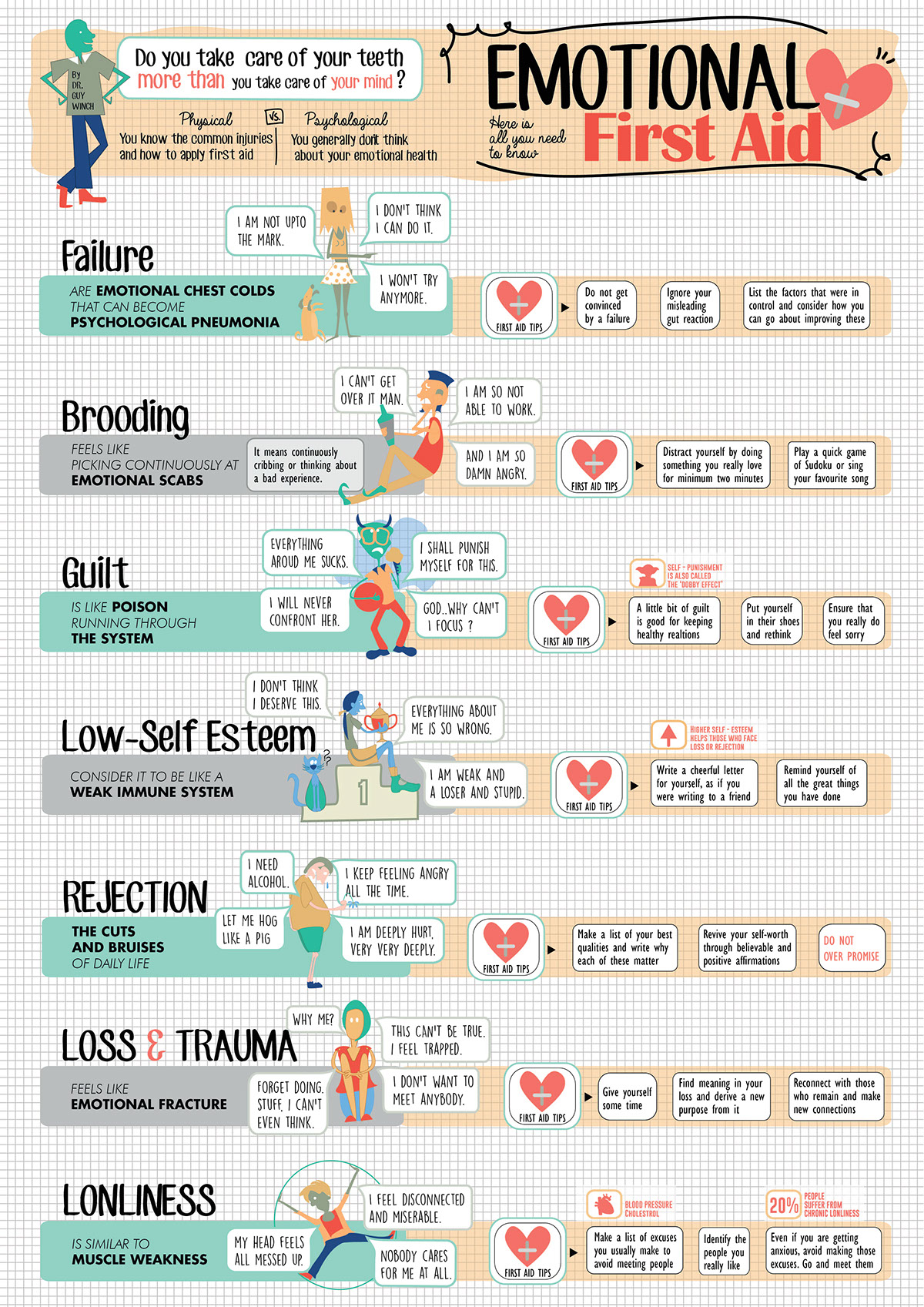
Trauma-informed care takes steps to avoid upsetting people sensitized to threats. See a comprehensive guide to implementing it. More colloquially, start with "Don't be a dick." Client-centered care offers principles compatible with TIC. Health facilities in T-America are supposed to have some staff trained in these techniques, because so many people have survived some sort of trauma. Here are some guidelines for trauma-informed care, emotional first aid, and mindful conversation.
Trauma history assessments can help provide better care. Here is a Trauma-Informed Care Assessment and its instructions. Because trauma survivors are often slow or unable to trust, sometimes the best approach is just to ask if anything affects the care today, because the caregiver(s) may have to help the client climb up the wall of consent to access services.
Consider also the spectrum of influence, persuasion, manipulation, and coercion. This also relates to the spectrum of consent. Dr. Grant tries to respect Shiv's free choice while encouraging him to make good decisions, which requires acknowledging Shiv's concerns based on previous bad experiences, providing concrete assurances of better outcomes this time, and also giving information about possible negative results of doing nothing. Trying to find small achievable gains, rather than pushing too hard too fast, definitely helps.
(These links are hideous.)
Medical abuse can affect anyone. However, it happens more to vulnerable groups such as children, survivors of sexual violence, intersex people, and the disabled. This also covers medical torture in various forms.
So let's just be totally clear about this: If a person is touching someone else's reproductive parts, and the owner of those reproductive parts tells them to stop, and the person does not stop, that is sexual violence -- usually classified as sexual assault or rape depending on local definitions of the crimes. In the case of a minor, it may also raise child molestation or similar charges. Intimate contact requires continuous consent, and if it is withdrawn, the other person is legally obligated to break contact promptly. Some definitions regrettably exclude penetration with an object that has a "valid medical purpose" which makes it much easier for a doctor to get away with medical rape, while the victim's experience is socially and even legally invalidated. Another problem occurs with demanding that people submit to medical procedures they don't want before they even might get something they actually need. It trains people that doctors don't have to take no for an answer and boundaries are misbehavior. That is how L-America winds up with a doctor molesting over 300 little girls: by grinding away their boundaries. It doesn't matter if the doctor has a "legal right" to insert fingers or objects of any kind into the personal parts of an unwilling victim. The damage will be the same as legally recognized rape -- or even worse due to the legal system disenfranchising the victim of recourse. The fact that many doctors routinely rape patients in this fashion and consider it okay is why many people, especially abuse survivors and transfolk, prefer to avoid medical care than be assaulted again. This handbook of best practices presents principles designed for survivor support, but really, caregivers should treat everyone with gentleness and respect. You never know who all the survivors are; many remain silent. And in Terramagne, you never know who might have superpowers that could panic and hurt you regardless of what the person's rational brain is thinking.
This was the only form I could find that screens for medical trauma, and it doesn't cover medical abuse, malpractice, or similar issues; medics generally don't want to hear about those. But it does give an idea of some things that people may find traumatic which can then impair their ability tolerate medical care later on. This is a serious issue for Shiv, who was mistreated by all but the most recent caregivers. His ability to snap into correct distrust is fast, but his ability to achieve correct trust is impaired. Given the substantial improvement in quality of care available, this leaves him under-trusting now.
(These links are harsh.)
Trauma-informed care accounts for the fact that many survivors of sexual abuse or rape don't tell about it, and that they are prone to negative coping strategies. Terramagne-America makes much better use of evidence-based care, and has higher standards of defining best practices. Some clinics specialize in assault survivors and have policies that protect survivor agency. This discussion of health care for assault survivors is very similar to what they need later in terms of bedside manner. There are tips for therapists dealing with traumatized clients, assessing and treating sexual abuse, and parents or guardians of sexually abused children.
The window of tolerance describes a person's range of functionality. Understand how to work with it. This is especially crucial if you or someone you know have issues that make functionality challenging to maintain.
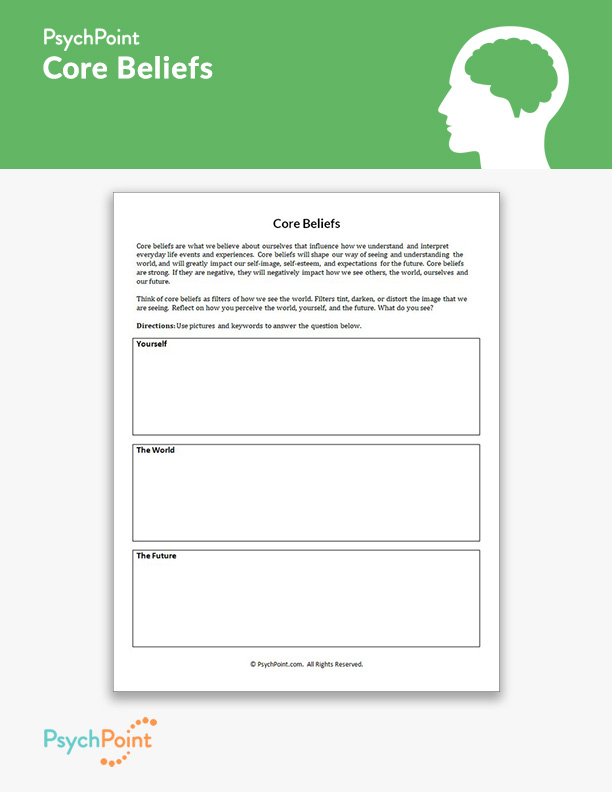
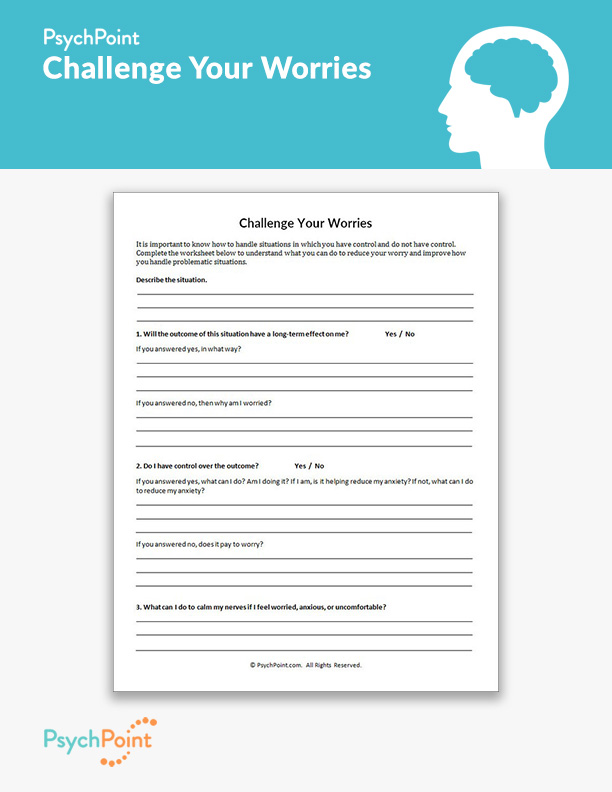
The parasympathetic and sympathetic nervous systems govern much of human reaction. Shiv has been agitated most of the day. The flight-or-fight response raises heart rate among other things. Once activated, adrenaline takes about 10-20 minutes to break down. Relaxation techniques can help restore parasympathetic balance. Another solution is a quick burst of exercise, because the fight-or-flight response was designed to help escape threats, so a brief exertion can make the brain think the threat is past and shift modes. There are worksheets on processing trauma, how the problem developed, subjective units of distress, identifying triggers for anxiety, triggers and coping for depression, body map of emotions, support system, core beliefs, self-talk, storytelling, blame, challenging worries, challenging unhelpful thoughts, what to let go of, emotional suffering, your strengths, how you want to be treated, and other aspects.
This list of trauma healing goals offers people a path to recovery.
The Practice Deep Breathing Brochure has steps on the front and breathing exercises on the back. There are more exercises here. Browse a list of books on Pranayama Yoga for breathing.
For self-care there's a check in sheet, activities list, and planner.
Emotional regulation is an important skill, which Shiv currently lacks due to a combination of past abuse and adults failing to teach him. Explore a workbook about it.
The Gray's Anatomy Coloring Book has detailed images of body parts. It's a go-to reference for visual thinkers.
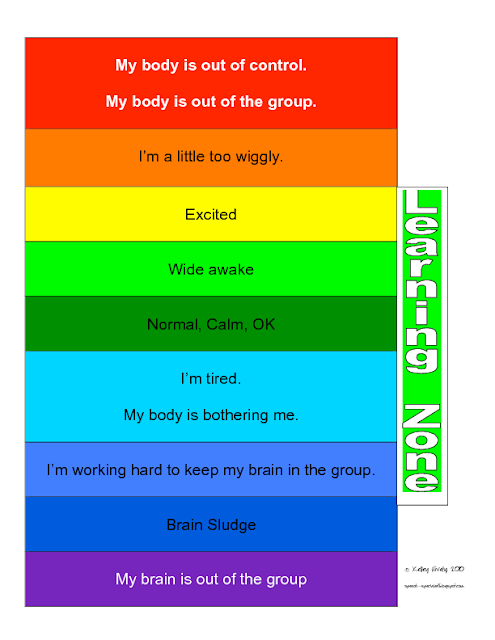
Total Comfort Level is a Terramagne-American scoring system for measuring how people feel when sick or injured, based on tracking individual issues. Pain, nausea, dealing with the health care system, seeing a doctor/nurse, taking medication, being stuck in bed, etc. are all common things to track. The numbers can be averaged to see the general level of comfort, or viewed individually to make sure that no one item goes too high. Similarly, effort goes into ensuring that the help given does not make one area spike while producing only mild improvement in the target area, because that can cause the person to feel worse overall instead of better. This is particularly a concern for soups, people with allergies, and people with mental challenges. Since high levels of discomfort interfere with recovery, keeping the levels low tends to improve outcomes. Generally 1-3 is the bad range, 4-6 is uncomfortable, 7-9 is okay, and 10 is terrific. Here is an example of a Total Comfort scale and a Learning Zone mood scale.
I finally sat down and worked out an example of the T-American Total Comfort Level scale:
10 - Miraculous Comfort -- So tranquil that even things which would normally freak you out don't even bother you. Your Rest/Digest mode has somehow blocked off your Fight/Flight mode.
9 - Resilient Comfort -- So comfortable that even if something unpleasant happens, it distresses you only briefly, then you bounce right back to feeling good. Your Rest/Digest mode is fully engaged and difficult to disengage.
8 - Relaxed -- Mellow enough that quite a lot could go wrong before really upsetting you. Your Rest/Digest mode is fully engaged and you can't be bothered to fuss much.
7 - Comfortable -- Feeling content, able to handle challenges without feeling pressured. Your Rest/Digest mode is taking notice.
6 - Okay -- Adequate situation, acceptable indefinitely, possible to improve. You can handle a little more pressure without feeling awful, but not a lot.
5 - So-so -- Not too bad, and relatively stable rather than rapidly getting worse. You just need to avoid making matters worse.
4 - Uncomfortable -- Feeling unpleasant, but able to tolerate it for some time; declining only at a slow rate. You should seek opportunities to reduce stress. Your Fight/Flight mode is taking notice.
3 - Upset - So uncomfortable that you will not be able to endure it for long; declining fast. You need to reduce stress soon. Your Fight/Flight mode is engaged but you can still suppress it.
2 - Rational Distress - Overwhelmed to the point that relieving the distress becomes your top priority, but you can still make some choices. Your Fight/Flight mode is fully engaged; you can direct but not disengage it. You have very little time to fix this before losing control.
1 - Irrational Panic - So overwhelmed that you lose control and forget about social expectations or even safety, reacting instinctively without really choosing. Your Flight/Flight mode has taken over.
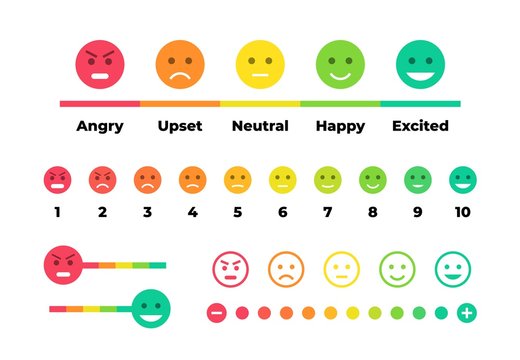
You can map such things on a 10-point faces scale from happy to angry.
The two modes are fight-or-flight vs. rest-and-digest. Here are some ways to switch off the fight-or-flight response.
Here is a widely assorted list of questions relating to health and lifestyle. The advantage to this approach is that it can identify potential areas of concern across a very wide range. That's great in a high-trust environment where resources to address potentially issues are readily available and reliable. The disadvantages include offending or upsetting someone with sensitive topics that may be completely irrelevant, which can undermine trust and lower the quality of responses to subsequent questions related to the current need. People often feel like the caregiver is fishing or even outright prying. This can create serious barriers to effective care, especially in a low-trust environment or even just a new relationship. Much worse is the bait-and-switch factor of revealing problems for which no help is available or calling attention to it actively makes matters worse. Any of this can violate the principle of "First, do no harm." Options to balance risk-benefit include moving from easier to harder questions, keeping the list short and light for new clients, or asking sensitive questions only if clues suggest there may be a problem (e.g. visible bruises may justify questions about home life and physical activities to check for abuse, mobility issues, or circulatory problems). The client should be free to pass any question or stop answering without fear or reprisal.
Even in the best-run offices, sometimes things go amiss. To avoid a negative impact on clients, explain the situation and offer a concrete apology. Like dogs, people can be food-reward, play-reward, or praise-reward and you need to suit the payoff to the individual's preference. Shiv is strongly food-reward. Gift cards not only make clients happy, they give local businesses a chance to attract extra attention and are flexible in providing food, play, or other perks. A box of toys can appeal to a wide range of younger clients. These techniques work anywhere you need to interact with customers.
NibMor Daily Dose is one source of clinical-grade chocolate.
Echoing and paraphrasing are active listening techniques that build rapport. Normalizing is a way of reassuring people that their reactions are natural and common, that they are not alone. First responders learn skills to establish rapport quickly in a crisis. The same techniques also work at lower levels of urgency -- in this case, when it's a good idea to establish a new caregiver, but is not an emergency.
There are handouts for healthy foods, high-nutrient eco-friendly foods, Nebraska nutrition, buying produce, whole grains, nuts and seeds. Most people like free things that align with their interests, so T-American doctors often keep lots of swag to give away.
The same gene underlies malaria resistance and sickle-cell anemia, where one copy gains the benefits without the risks while two copies cause disease and eventual death. In Terramagne, it's a known precursor of Super-Immunity, although not everyone with that gene develops Super-Immunity nor does everyone with Super-Immunity have the gene. There's just a high correlation, which gets higher with the Aegis vaccine base. Bear in mind that most mutations are neutral, some negative, a few positive; but the positive ones can spread through a population because they boost the chances of surviving and reproducing for their carriers. Now consider that a trait can evolve from simple to more complex, conveying an advantage and possibly disadvantage at each step, improving toward greater advantage and lesser disadvantage. In this regard, precursor traits often have limited advantages or even just disadvantages, but they can evolve into something much more useful, even superpowers. So the gene with malaria resistance (advantage) and sickle-cell anemia (disadvantage with two copies) can set up for much wider and stronger resistance later in the process.
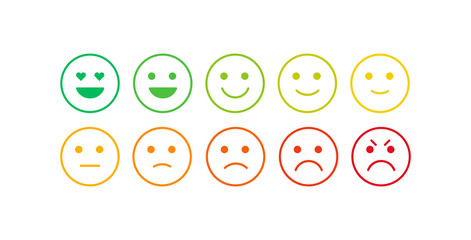
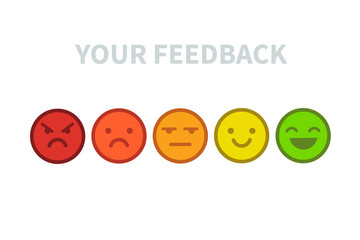
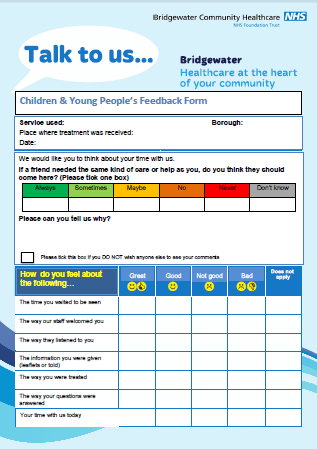
T-America makes widespread use of customer feedback to improve services. It can be used broadly for a whole organization or narrowly for a specific individual. Often it's like this, just a face scale with a comment box underneath, but sometimes people want to track specific goals so there can be extra questions. This practice is fully replicable with apps and worksheets anyone can use in their business. Here are detailed feedback forms for adult and youth clients, and an example of results.
In T-America, a flex appointment gives people the option of shorter or longer time based on their needs and interest in the moment. These can fit into the schedule in various ways. One neighbors a meal or break time, which can be shuffled around depending on how long the appointment takes. Another is that if the appointment cuts short, someone can be taken from the standby list.
See Shiv's Eat the Rainbow tote. Anytime you might hand people things to take home, make sure you have some sort of bag available for them to carry stuff. It's a great opportunity to advertise your business or principles.
Food sharing is a bonding activity which conveys affection and intimacy. Feeding people may be associated with romance or parental caregiving, but it's not restricted to that. It's also an excellent way of bonding with survivors of abuse or neglect and showing friendship.
This is the current entree menu for the Memorial Café. Enjoy recipes for Build Your Own Wrap, Mushroom Meat Alternative, Baked Lemon Pepper Cod, and Green Curry with Brown Rice.
The Memorial Café uses two programs to encourage healthy eating, and each day's menu usually features at least one main dish for each program. Several side dishes are also available; these vary, but typically include vegetables and whole grains.
"Healthy Choices" is a marker used in many programs, such as Eat Healthy Omaha which was described in "Another Expression of Art" and its notes.
Food for Life is a nutrition program that promotes wellness and manages chronic illnesses through healthy diets. It focuses on food as medicine and features primarily plant foods. This makes it easy to eat a vegetarian (sometimes vegan) diet.
In T-Omaha, the Freeman Family Hospital stocks healthy food in its vending machines, especially foods that boost energy. To avoid audiovisual clutter, the centralized audiovisual interface activates only when a customer approaches. The Memorial Café actually has its own organic farm, run by a collective of mostly African-American farmers outside the city limits. They believe that healthy food makes for healthy people, cheering up patients and visitors alike. For staff it means they don't have to eat garbage at work. Conversely, when a hospital serves unhealthy food, this does not help patients recover or staff and guests stay healthy; it can actually make people sicker; which constitutes abuse and malpractice. Worse, it's the most literal possible case of "do as I say, not as I do," undermining public health efforts to teach healthy eating habits. Freeman Family Hospital capitalizes on the opportunity to demonstrate what healthy recipes and portions are like, from the snacks to the entrees. This helps patients heal faster, everyone else stay healthy, and facilitates healthy choices elsewhere. There are many ways to improve hospital food and capitalize on the opportunity to model healthy, delicious recipes.
Compassion satisfaction is a type of job validation through which caregivers feel fulfilled by taking care of people. This helps to protect against burnout. Ways to improve compassion satisfaction include ensuring that caregivers have enough time with each client or offering options for clients to thank caregivers and inform them of outcomes. This closes the loop between providing care and receiving validation. Other ways to improve safety and resilience include things like reasonable working hours, a relaxed environment, time on the clock reserved for meditation or other healthy habits, pampering such as massage, and provision of healthy food rather than junk at work. It helps in both regards when the community supports caregivers (e.g. the local concert venue gives the hospital free tickets for staff, or EMTs always get served first in restaurants). In particular, self-care alone is insufficient because it is internal. It cannot prevent burnout because the problem requires inputting more energy to make up the lack, and it cannot fulfill compassion satisfaction because it does not engage other people. T-America does much better at helping the helpers compared to L-America, thus has better health care and fewer work casualties.
Medical Ethics
1. Autonomy. Competent persons have the right to make their decisions free from interference; a right to say what’s done to them and this extends to their health information.
2. Beneficence. Show kindness, charity and mercy. Medical professionals have a moral responsibility to help and do good.
3. Non-maleficence: Do no harm – Primum non nocere – understanding that a failure to act also counts if it causes harm. Remember that “good” should be defined by the patient. “‘The doctor knows best’ does not apply,” Wesley stressed.
4. Justice. Patients have a right to be treated fairly despite their age, gender, race and social status.
Shiv's food card was mentioned in "Creating a Community Around Food."
In exchange for agreeing to meet a new doctor in Omaha, Dr. Bloch offers Shiv a Frog Hollow Farm Organic Fruit & Snack Box. It contains about a week's worth (for one person) of organic fruit and healthy snacks that don't require cooking.
In exchange for actually attending that first appointment in Omaha, Dr. Bloch offers Shiv a Frog Hollow Farm Fall Care Package, to be sent upon receiving confirmation. It contains fall-focused organic fruit and healthy snacks.
Free health brochures cover such topics as nutrition, men's health, wellness logs, and so on.
Nagazine -- a rude term for periodicals intended to promote health, prosocial activities, or other things that some people don't want to be pestered about. This is especially true of those printed exclusively for use in waiting rooms.
Comfort Food -- what it says on the tin, a magazine that teaches people what comfort food is, the ways it works, how to establish a fondness for healthy comfort foods, and recipes for a mix of light to rich dishes.
Relaaax -- a magazine to relieve stress, this has dreamy photos and artwork, mandalas, coloring pages for all ages, some puzzles, meditations and other exercises, mudras, health news about stress and relaxation, articles on stress relief, and other soothing stuff.
Anthracite is a Terramagne-American magazine that showcases black scientists and their discoveries. They also have a section devoted to other scientists of color and white allies for when their work relates to ethnic interests. Another section features Afro-futurist science fiction and black science poetry, followed by an article on modern technology inspired by black SF or African history. Each year in February, they issue the Jennings Award for the most important invention by a black scientist. Ads feature historically black colleges and hospitals, STEMZ institutions, and household technology. Anthracite is among the oldest magazines in T-America. It launched in 1869, not long after the Civil War (1861 to 1865) ended. It came out of the emancipationist vision for the Reconstruction, and started out as a way to promote negro accomplishments while encouraging them to read. Early issues had as much illustration as text and included reading lessons. The first ads promoted negro businesses and body-care products, then added books and colleges as those emerged. Given its deep history, the connotations of coal have changed over time. Instead of changing the title as climate change made coal burning a bad idea, the magazine added a column on green technology. The 2015 Jennings Award went to a device that makes artificial coal -- not to burn, but to bury for carbon sequestration. Today Anthracite is a mainstay of Afro-intellectualism.
Edible Health is a T-American magazines with vividly colored pictures of food, primarily fresh fruits and vegetables, news from the nutrition field, dietary tips for specific illnesses or injuries, lots of nutritious recipes, and detailed showcases of individual ingredients.
Health News Weekly is a T-American newsletter that announces discoveries and other news in the field of medicine. The same company publishes flyers that doctors can subscribe to for handing out to clients interested in particular topics.
Local-America has shattered health care into countless pieces. Instead of having one caregiver take care of one patient at a time until done, one or more nurses handle the client until the doctor can get around to them while rushing among several different rooms -- often abandoning the client to deal with someone else and then coming back again. Such negative experiences makes it difficult or impossible to establish trust and makes the client feel like the caregivers don't really care about them. That undermines quality of care, because uncomfortable clients are less willing and able to discuss issues. Terramagne-America puts more emphasis on relationship-based care and trustbuilding, as shown in this outline, with much better results. In this case, it's even stronger because Shiv is visiting a trauma-informed care center.
One key difference between Terramagne-America and local-America is that people have much more access to and control over their records there, compared to here where abuses discourage disclosure. So Shiv can pick and choose which of his information he wants to disclose or keep private, especially when transferring to a new caregiver. This minimizes the amount of pressure put on a new relationship and gives people time to build trust if they need it, while also giving an opportunity to block out inaccurate information.
A huge problem in local-American health care is that doctors and corporations routinely demand total access to intimate information, with no warmup and very little actual privacy left. They often become downright hostile if people refuse any such demand or attempt to set other terms. So trust is decaying. Well, look at the trust pyramid: the wider the gap between assumed trust and actual trust, the worse the interaction goes. Furthermore, doctors often ignore client input, which makes people even less inclined waste time and energy explaining things. People may not be able to stop doctors from demanding more trust than they have earned, but can and do refrain from mentioning things -- which is a number-one doctor complaint, but doctors don't seem to realize that if they want trust then they must work to earn it.
That's not just a data-sharing issue, because there's also a robust trend that too-fast too-soon relationships don't last. By forcing clients to skip the whole trust pyramid, doctors are acting like a smarmy date sticking his hand down a girl's skirt, and it has exactly the same effect on preventing real trust from developing. You can't rewire the human psyche just because you find it a nuisance. People might endure the intrusion for lack of better options, but endurance is not trust, does not yield the same benefits, and does generate a host of negative consequences. Best practice demands more, that doctors treat people with respect and take steps to build trust before making requests. That includes things like either doing the basic check themselves, or being willing to redo it if necessary, because when a nurse does it that only builds trust with them and not with the doctor. Even in an emergency, where there is no time to develop trust, caregivers can show that they are at least trust-worthy by acknowledging they're jumping over several lines at once and doing what they can to help the client retain some control. Only the establishment of a just culture can foster trust in health care. T-America does better than L-America in this regard, but as Shiv demonstrates, everywhere has quacks -- and that's the most likely type of doctor to step into situations where the parents or guardians want something "fixed" without caring about the impact on the child.
Trust may be given or earned. There are ways to build trust for people in general and medics in particular. In local-America, doctors are trained not to trust their patients, which makes for worse outcomes. Doctors have a moral duty to trust their patients as a necessary foundation of quality care -- and if they can't do that, they should just admit it.
The core of trauma-informed care is asking "What happened to you?" instead of "What is wrong with you?" This forms the basis of the principles and practices. In health care settings, TIC improves the outcomes while minimizing stress and potential harm. There are instructions for supporting trauma survivors and working through your own trauma. First responders typically have workplace procedures to minimize the risk of developing PTSD.
Trauma-informed care takes steps to avoid upsetting people sensitized to threats. See a comprehensive guide to implementing it. More colloquially, start with "Don't be a dick." Client-centered care offers principles compatible with TIC. Health facilities in T-America are supposed to have some staff trained in these techniques, because so many people have survived some sort of trauma. Here are some guidelines for trauma-informed care, emotional first aid, and mindful conversation.
Trauma history assessments can help provide better care. Here is a Trauma-Informed Care Assessment and its instructions. Because trauma survivors are often slow or unable to trust, sometimes the best approach is just to ask if anything affects the care today, because the caregiver(s) may have to help the client climb up the wall of consent to access services.
Consider also the spectrum of influence, persuasion, manipulation, and coercion. This also relates to the spectrum of consent. Dr. Grant tries to respect Shiv's free choice while encouraging him to make good decisions, which requires acknowledging Shiv's concerns based on previous bad experiences, providing concrete assurances of better outcomes this time, and also giving information about possible negative results of doing nothing. Trying to find small achievable gains, rather than pushing too hard too fast, definitely helps.
(These links are hideous.)
Medical abuse can affect anyone. However, it happens more to vulnerable groups such as children, survivors of sexual violence, intersex people, and the disabled. This also covers medical torture in various forms.
So let's just be totally clear about this: If a person is touching someone else's reproductive parts, and the owner of those reproductive parts tells them to stop, and the person does not stop, that is sexual violence -- usually classified as sexual assault or rape depending on local definitions of the crimes. In the case of a minor, it may also raise child molestation or similar charges. Intimate contact requires continuous consent, and if it is withdrawn, the other person is legally obligated to break contact promptly. Some definitions regrettably exclude penetration with an object that has a "valid medical purpose" which makes it much easier for a doctor to get away with medical rape, while the victim's experience is socially and even legally invalidated. Another problem occurs with demanding that people submit to medical procedures they don't want before they even might get something they actually need. It trains people that doctors don't have to take no for an answer and boundaries are misbehavior. That is how L-America winds up with a doctor molesting over 300 little girls: by grinding away their boundaries. It doesn't matter if the doctor has a "legal right" to insert fingers or objects of any kind into the personal parts of an unwilling victim. The damage will be the same as legally recognized rape -- or even worse due to the legal system disenfranchising the victim of recourse. The fact that many doctors routinely rape patients in this fashion and consider it okay is why many people, especially abuse survivors and transfolk, prefer to avoid medical care than be assaulted again. This handbook of best practices presents principles designed for survivor support, but really, caregivers should treat everyone with gentleness and respect. You never know who all the survivors are; many remain silent. And in Terramagne, you never know who might have superpowers that could panic and hurt you regardless of what the person's rational brain is thinking.
This was the only form I could find that screens for medical trauma, and it doesn't cover medical abuse, malpractice, or similar issues; medics generally don't want to hear about those. But it does give an idea of some things that people may find traumatic which can then impair their ability tolerate medical care later on. This is a serious issue for Shiv, who was mistreated by all but the most recent caregivers. His ability to snap into correct distrust is fast, but his ability to achieve correct trust is impaired. Given the substantial improvement in quality of care available, this leaves him under-trusting now.
(These links are harsh.)
Trauma-informed care accounts for the fact that many survivors of sexual abuse or rape don't tell about it, and that they are prone to negative coping strategies. Terramagne-America makes much better use of evidence-based care, and has higher standards of defining best practices. Some clinics specialize in assault survivors and have policies that protect survivor agency. This discussion of health care for assault survivors is very similar to what they need later in terms of bedside manner. There are tips for therapists dealing with traumatized clients, assessing and treating sexual abuse, and parents or guardians of sexually abused children.
The window of tolerance describes a person's range of functionality. Understand how to work with it. This is especially crucial if you or someone you know have issues that make functionality challenging to maintain.
The parasympathetic and sympathetic nervous systems govern much of human reaction. Shiv has been agitated most of the day. The flight-or-fight response raises heart rate among other things. Once activated, adrenaline takes about 10-20 minutes to break down. Relaxation techniques can help restore parasympathetic balance. Another solution is a quick burst of exercise, because the fight-or-flight response was designed to help escape threats, so a brief exertion can make the brain think the threat is past and shift modes. There are worksheets on processing trauma, how the problem developed, subjective units of distress, identifying triggers for anxiety, triggers and coping for depression, body map of emotions, support system, core beliefs, self-talk, storytelling, blame, challenging worries, challenging unhelpful thoughts, what to let go of, emotional suffering, your strengths, how you want to be treated, and other aspects.
This list of trauma healing goals offers people a path to recovery.
The Practice Deep Breathing Brochure has steps on the front and breathing exercises on the back. There are more exercises here. Browse a list of books on Pranayama Yoga for breathing.
For self-care there's a check in sheet, activities list, and planner.
Emotional regulation is an important skill, which Shiv currently lacks due to a combination of past abuse and adults failing to teach him. Explore a workbook about it.
The Gray's Anatomy Coloring Book has detailed images of body parts. It's a go-to reference for visual thinkers.
Total Comfort Level is a Terramagne-American scoring system for measuring how people feel when sick or injured, based on tracking individual issues. Pain, nausea, dealing with the health care system, seeing a doctor/nurse, taking medication, being stuck in bed, etc. are all common things to track. The numbers can be averaged to see the general level of comfort, or viewed individually to make sure that no one item goes too high. Similarly, effort goes into ensuring that the help given does not make one area spike while producing only mild improvement in the target area, because that can cause the person to feel worse overall instead of better. This is particularly a concern for soups, people with allergies, and people with mental challenges. Since high levels of discomfort interfere with recovery, keeping the levels low tends to improve outcomes. Generally 1-3 is the bad range, 4-6 is uncomfortable, 7-9 is okay, and 10 is terrific. Here is an example of a Total Comfort scale and a Learning Zone mood scale.
I finally sat down and worked out an example of the T-American Total Comfort Level scale:
10 - Miraculous Comfort -- So tranquil that even things which would normally freak you out don't even bother you. Your Rest/Digest mode has somehow blocked off your Fight/Flight mode.
9 - Resilient Comfort -- So comfortable that even if something unpleasant happens, it distresses you only briefly, then you bounce right back to feeling good. Your Rest/Digest mode is fully engaged and difficult to disengage.
8 - Relaxed -- Mellow enough that quite a lot could go wrong before really upsetting you. Your Rest/Digest mode is fully engaged and you can't be bothered to fuss much.
7 - Comfortable -- Feeling content, able to handle challenges without feeling pressured. Your Rest/Digest mode is taking notice.
6 - Okay -- Adequate situation, acceptable indefinitely, possible to improve. You can handle a little more pressure without feeling awful, but not a lot.
5 - So-so -- Not too bad, and relatively stable rather than rapidly getting worse. You just need to avoid making matters worse.
4 - Uncomfortable -- Feeling unpleasant, but able to tolerate it for some time; declining only at a slow rate. You should seek opportunities to reduce stress. Your Fight/Flight mode is taking notice.
3 - Upset - So uncomfortable that you will not be able to endure it for long; declining fast. You need to reduce stress soon. Your Fight/Flight mode is engaged but you can still suppress it.
2 - Rational Distress - Overwhelmed to the point that relieving the distress becomes your top priority, but you can still make some choices. Your Fight/Flight mode is fully engaged; you can direct but not disengage it. You have very little time to fix this before losing control.
1 - Irrational Panic - So overwhelmed that you lose control and forget about social expectations or even safety, reacting instinctively without really choosing. Your Flight/Flight mode has taken over.
You can map such things on a 10-point faces scale from happy to angry.
The two modes are fight-or-flight vs. rest-and-digest. Here are some ways to switch off the fight-or-flight response.
Here is a widely assorted list of questions relating to health and lifestyle. The advantage to this approach is that it can identify potential areas of concern across a very wide range. That's great in a high-trust environment where resources to address potentially issues are readily available and reliable. The disadvantages include offending or upsetting someone with sensitive topics that may be completely irrelevant, which can undermine trust and lower the quality of responses to subsequent questions related to the current need. People often feel like the caregiver is fishing or even outright prying. This can create serious barriers to effective care, especially in a low-trust environment or even just a new relationship. Much worse is the bait-and-switch factor of revealing problems for which no help is available or calling attention to it actively makes matters worse. Any of this can violate the principle of "First, do no harm." Options to balance risk-benefit include moving from easier to harder questions, keeping the list short and light for new clients, or asking sensitive questions only if clues suggest there may be a problem (e.g. visible bruises may justify questions about home life and physical activities to check for abuse, mobility issues, or circulatory problems). The client should be free to pass any question or stop answering without fear or reprisal.
Even in the best-run offices, sometimes things go amiss. To avoid a negative impact on clients, explain the situation and offer a concrete apology. Like dogs, people can be food-reward, play-reward, or praise-reward and you need to suit the payoff to the individual's preference. Shiv is strongly food-reward. Gift cards not only make clients happy, they give local businesses a chance to attract extra attention and are flexible in providing food, play, or other perks. A box of toys can appeal to a wide range of younger clients. These techniques work anywhere you need to interact with customers.
NibMor Daily Dose is one source of clinical-grade chocolate.
Echoing and paraphrasing are active listening techniques that build rapport. Normalizing is a way of reassuring people that their reactions are natural and common, that they are not alone. First responders learn skills to establish rapport quickly in a crisis. The same techniques also work at lower levels of urgency -- in this case, when it's a good idea to establish a new caregiver, but is not an emergency.
There are handouts for healthy foods, high-nutrient eco-friendly foods, Nebraska nutrition, buying produce, whole grains, nuts and seeds. Most people like free things that align with their interests, so T-American doctors often keep lots of swag to give away.
The same gene underlies malaria resistance and sickle-cell anemia, where one copy gains the benefits without the risks while two copies cause disease and eventual death. In Terramagne, it's a known precursor of Super-Immunity, although not everyone with that gene develops Super-Immunity nor does everyone with Super-Immunity have the gene. There's just a high correlation, which gets higher with the Aegis vaccine base. Bear in mind that most mutations are neutral, some negative, a few positive; but the positive ones can spread through a population because they boost the chances of surviving and reproducing for their carriers. Now consider that a trait can evolve from simple to more complex, conveying an advantage and possibly disadvantage at each step, improving toward greater advantage and lesser disadvantage. In this regard, precursor traits often have limited advantages or even just disadvantages, but they can evolve into something much more useful, even superpowers. So the gene with malaria resistance (advantage) and sickle-cell anemia (disadvantage with two copies) can set up for much wider and stronger resistance later in the process.
T-America makes widespread use of customer feedback to improve services. It can be used broadly for a whole organization or narrowly for a specific individual. Often it's like this, just a face scale with a comment box underneath, but sometimes people want to track specific goals so there can be extra questions. This practice is fully replicable with apps and worksheets anyone can use in their business. Here are detailed feedback forms for adult and youth clients, and an example of results.
In T-America, a flex appointment gives people the option of shorter or longer time based on their needs and interest in the moment. These can fit into the schedule in various ways. One neighbors a meal or break time, which can be shuffled around depending on how long the appointment takes. Another is that if the appointment cuts short, someone can be taken from the standby list.
See Shiv's Eat the Rainbow tote. Anytime you might hand people things to take home, make sure you have some sort of bag available for them to carry stuff. It's a great opportunity to advertise your business or principles.
Food sharing is a bonding activity which conveys affection and intimacy. Feeding people may be associated with romance or parental caregiving, but it's not restricted to that. It's also an excellent way of bonding with survivors of abuse or neglect and showing friendship.
This is the current entree menu for the Memorial Café. Enjoy recipes for Build Your Own Wrap, Mushroom Meat Alternative, Baked Lemon Pepper Cod, and Green Curry with Brown Rice.
The Memorial Café uses two programs to encourage healthy eating, and each day's menu usually features at least one main dish for each program. Several side dishes are also available; these vary, but typically include vegetables and whole grains.
"Healthy Choices" is a marker used in many programs, such as Eat Healthy Omaha which was described in "Another Expression of Art" and its notes.
Food for Life is a nutrition program that promotes wellness and manages chronic illnesses through healthy diets. It focuses on food as medicine and features primarily plant foods. This makes it easy to eat a vegetarian (sometimes vegan) diet.
In T-Omaha, the Freeman Family Hospital stocks healthy food in its vending machines, especially foods that boost energy. To avoid audiovisual clutter, the centralized audiovisual interface activates only when a customer approaches. The Memorial Café actually has its own organic farm, run by a collective of mostly African-American farmers outside the city limits. They believe that healthy food makes for healthy people, cheering up patients and visitors alike. For staff it means they don't have to eat garbage at work. Conversely, when a hospital serves unhealthy food, this does not help patients recover or staff and guests stay healthy; it can actually make people sicker; which constitutes abuse and malpractice. Worse, it's the most literal possible case of "do as I say, not as I do," undermining public health efforts to teach healthy eating habits. Freeman Family Hospital capitalizes on the opportunity to demonstrate what healthy recipes and portions are like, from the snacks to the entrees. This helps patients heal faster, everyone else stay healthy, and facilitates healthy choices elsewhere. There are many ways to improve hospital food and capitalize on the opportunity to model healthy, delicious recipes.
Compassion satisfaction is a type of job validation through which caregivers feel fulfilled by taking care of people. This helps to protect against burnout. Ways to improve compassion satisfaction include ensuring that caregivers have enough time with each client or offering options for clients to thank caregivers and inform them of outcomes. This closes the loop between providing care and receiving validation. Other ways to improve safety and resilience include things like reasonable working hours, a relaxed environment, time on the clock reserved for meditation or other healthy habits, pampering such as massage, and provision of healthy food rather than junk at work. It helps in both regards when the community supports caregivers (e.g. the local concert venue gives the hospital free tickets for staff, or EMTs always get served first in restaurants). In particular, self-care alone is insufficient because it is internal. It cannot prevent burnout because the problem requires inputting more energy to make up the lack, and it cannot fulfill compassion satisfaction because it does not engage other people. T-America does much better at helping the helpers compared to L-America, thus has better health care and fewer work casualties.