![[personal profile]](https://www.dreamwidth.org/img/silk/identity/user.png) ysabetwordsmith
ysabetwordsmithHere are the character notes for "The Universal Assent to the World."
Centaurs
Charli Dobbs
Dodge (Annie Poke)
Lilita Nieves
Michann Largent
Miriam Stern
Sorley Xanthopoulos
Tran Thi Kim Van
Shifters
Nebuly (Darian Cormac)
Turq (Drustan Moreau)
Mystic Forest
Laimonis the Magician (Logan Ozols)
Lottie Bottom's Daughter (Charlotte "Lottie" Higgenbotham)
Wyrida (Winifred Easley)
Piper (Polina Neso Forsythe)
Cernach (Carl Forsythe)
Others
Officer Pink (Ansel Nicholson)
Abigail Teasdale
* * *
Laimonis the Magician (Logan Ozols) -- He has fair skin, brown eyes, and long wavy brown hair with a mustache and beard. His heritage includes American, Irish, and Latvian. He speaks English and Latin. He is 40 years old in 2015.
Logan grew up in rural New Hampshire where people generally thought of him as a daydreamer and bookworm who would never amount to much. In high school, he belonged to the Theatre Club where he practiced slight-of-hand, juggling, and other performing arts. During summers, he worked at Renaissance Faires. Logan went on to earn a Bachelor of Arts in Integrated Studies in Philosophy and Literature with a Creative Writing Minor at the New England College in Henniker, New Hampshire. There he joined the clubs BookWyrms, Meditation Station, Media and Fine Art Society, New England College Role-Playing Association, and Ravens and Writing Desks.
After graduating, Logan joined developed the character of Laimonis the Magician for his Renaissance Faire work, serving as a Quest Giver and entertainer. He belongs to Mystic Forest, a caravan troupe of soups. As a Fate-Touched wizard, Laimonis often serves as a guide to young heroes. His own mentor is Wyrida. Logan also sells poetry, fiction, and creative nonfiction. He excels at big picture thinking, but struggles with practical details.
Origin: His powers grew in gradually during his college years while he was studying philosophy.
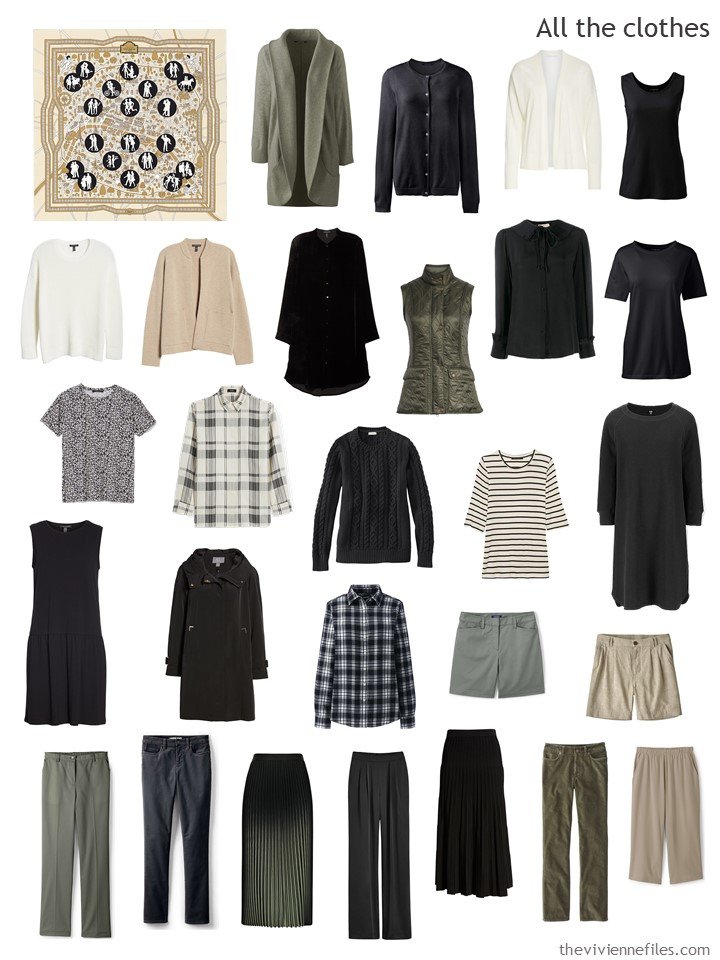
Uniform: At Renaissance Faires, he wears a white robe, a black and taupe cloak, and a belt with multiple pouches; he carries a staff. Multiple raccoon tails decorate the cloak and the staff. Off duty, he likes practical menswear in neutral colors of black, brown, taupe, and white.
Qualities: Good (+2) Creative Writing, Good (+2) Dexterity, Good (+2) Performing Arts, Good (+2) Philosophy and Literature, Good (+2) Wisdom
Poor (-2) Practical Details
Powers: Good (+2) Existential Intelligence, Good (+2) Fate-Touched
His aspects of Fate include Destiny Sense, Destiny Assignment, Epiphany, Higher Consciousness, and Probability Manipulation.
Motivation: To understand.
Bachelor of Arts in Integrated Studies in Philosophy and Literature
at the New England College in Henniker, New Hampshire
The New England College Bachelor of Arts (BA) in Integrated Studies in Philosophy and Literature offers an innovative combination of two disciplines whose chief concern is the human quest for meaning and purpose.
NEC’s Bachelor of Philosophy and Literature program requires completion of 120 credits, as follows:
Required Courses in Philosophy and Literature (8 credits)
Cultural History (12 credits)
Interpreting Experience (16 credits)
Liberal Arts & Sciences Core Curriculum (42 credits)
Electives (42 credits)
Requirements
Required Courses in Philosophy and Literature
(8 credits)
• PL 1100 - Making Sense of the World: An Introduction to Great Works in Philosophy and Literature (4 credits)
• PL 4300 - Imagining the World: The Poetic Mind in the Digital Age (4 credits)
Cultural History
Three courses required in the Literature and/or Philosophy of a specific historical period, marking a foundation for or significant shift in a culture's thought for a total of 12 credits
Ancient Philosophy/Literature (4 credits)
One course from the following:
• PL 2991 - Topics in Ancient Philosophy and Literature: The Nature of Fate (4 credits)
One course from
Renaissance Philosophy/Literature
Or
Modern Philosophy/Literature-(4 credits)
Courses fulfilling this requirement are:
Renaissance Philosophy/Literature
(4 credits)
One course from the following:
• PA 3150 (WS 3150) - Medieval/Renaissance Philosophy (4 credits)
Or
Modern Philosophy/Literature
(4 credits)
One course from the following:
• EN 2001 - Topics in Modern Literary Movements: Free Will and Plot (4 credits)
Contemporary Philosophy/Literature
(4 credits)
One course from the following:
• PA 3510 - Existential Philosophy (4 credits)
Interpreting Experience
4 courses for a total of 16 credits, with at least 12 credits at or above the 3000 level. These requirements will be fulfilled through careful course selection in conversation with student advisors in order to best support the interests and direction of the individual student's course of study.
Appropriate courses will explore our understanding of self in relation to the arts, morality, nature, culture, society, reason or science, and may be drawn from either philosophy or literature or a course that integrates both. Courses used to satisfy credit in Cultural History and Interpretive Experience may not count for credit in both areas.
Courses fulfilling this requirement are:
• PL 3992 - Topics in Renaissance Philosophy and Literature: Enlightenment and Logic (4 credits)
• PA 2710 (WS 2710) - Philosophy of the Irrational (4 credits)
• PL 3070 (EN 3070) - Dystopian Literature (4 credits)
• EN 2070 (WS 2070) - Comparative Mythology (4 credits)
• EN 3000 - Advanced Topics Literary Movements: Dadaism (4 credits)
Liberal Arts & Sciences Core Curriculum, Bachelor's Degree
• LAS 1000 - First-Year Seminar (4 credits)
• WR 1010 - Composition or approved LAS Writing course. (4 credits)
• MT 1100 - Quantitative Reasoning(MT courses numbered higher than 1100 are acceptable) (4 credits)
• LAS 1 (LAS 1110) - The Natural Environment - Understanding Our Place in the Natural World (4 credits)
• LAS 2 (LAS 1120) - The Civic Environment - Democratic Values (4 credits)
• LAS 3 (LAS 2110) - Creative Arts (4 credits)
• LAS 4 (LAS 2120) - Social Sciences (4 credits)
• LAS 5 (LAS 2130) - Natural and Biological Sciences (4 credits)
• LAS 6 (LAS 2140) - Humanities (4 credits)
• LAS 7 (LAS 3110) - Global Perspectives (4 credits)
• LAS Elective Credits: 4 (One additional course that meets any LAS requirement or combination of two 2-credit approved electives.)
LAS 2115: New Hampshire en Plein Air (4 credits)
Electives
Select additional electives to reach 120 credits for a Bachelor's degree.
Creative Writing Minor (20 credits)
at the New England College in Henniker, New Hampshire
Creative Writing Minor Core
All students must take
• CW 1100 - Introduction to Creative Writing Credits: 4
• EN 1930 - Survey of American Literature Credits: 4
Literary Movements
Select one 2000 level literary movements course.
• EN 2000 - Topics in Literary Movements: Classics and Classicism Credits: 4
Additional Creative Writing Courses
Select two of courses from the following list:
• CW 2100 - Fiction Workshop Credits: 4
• CW 2110 - Poetry Workshop Credits: 4
• CW 2120 - Creative Nonfiction Workshop Credits: 4
Clubs
BookWyrms
Meditation Station (T-American)
MFAS: Media and Fine Art Society
New England College Role-Playing Association (NECRA)
Ravens and Writing Desks
Abigail Teasdale -- She has tinted skin, brown, eyes, and long wavy brown hair. She wears glasses. She is petite with shallow curves. Her heritage includes American, Missouri French, and a little Osage. She speaks English and French. She is 19 years old in 2015.
Abigail has just started her second year working toward an Associate of Arts in General Transfer Studies at the River City Community College. There she belongs to the Crochet Club, Culture Club, Mass Media Club, Tabletop Roleplaying Club, and River Adventures. She plans to transfer to a four-year college later.
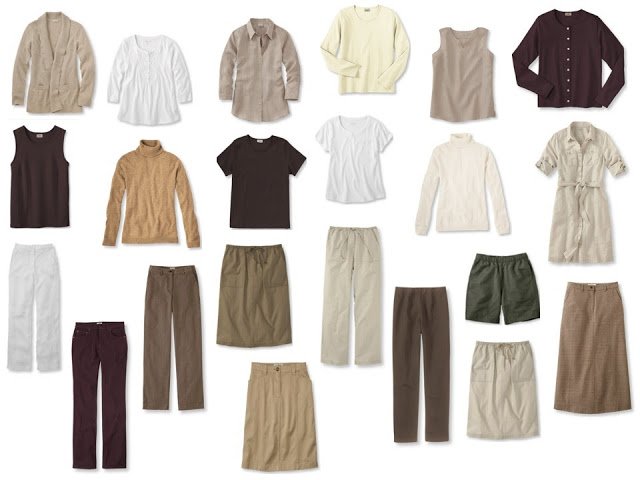
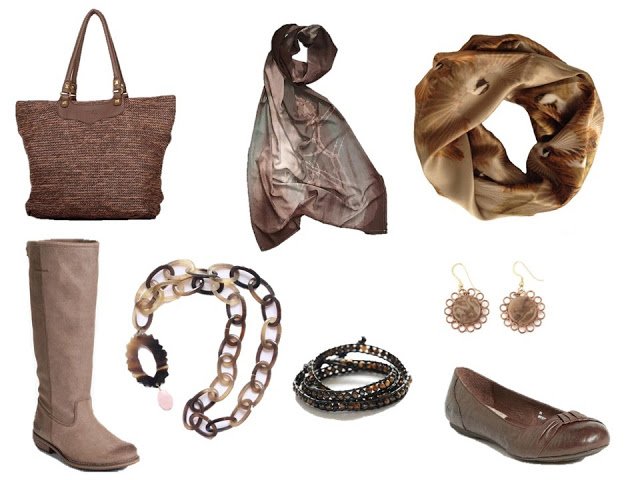
Abigail loves reading and volunteers at the local library. She also enjoys watching sports and performing as a cheerleader. She excels at making friends with a wide range of people, nerds and jocks alike. She wears colorful women's clothes. Her base colors are brown, tan, and ivory accented with burgundy, goldenrod, and olive with matching accessories.
Qualities: Good (+2) Bookworm, Good (+2) Cheerleader, Good (+2) Happy, Good (+2) Library Volunteer, Good (+2) Making Friends
Poor (-2) Heat Tolerance
Taken (T)
Currently Taking (C)
Planned (P)
Associate of Arts in General Transfer Studies
at the River City Community College
Focus Area: Communication Full-Time Academic Plan
This academic plan is a recommended sequence for this pathway. It serves as a general guideline to help you build a course schedule each term that supports your timely completion. The College has made every effort to ensure its accuracy. However, the map is not a substitute for academic advisement—contact your advisor if you have any questions about your degree requirements.
Missouri Civics Examination. Students entering college for the very first time in fall 2019 and who intend to complete an associate’s degree must successfully complete a civics examination. Information on who is eligible for a waiver can be found on the STLCC website.
PLEASE NOTE: If you originally enrolled at STLCC prior to Spring 2026, you may need to view an archived catalog for your correct program requirements. Please speak with an advisor or the program coordinator for more information.
First Year
Fall Credit Hours Prerequisites Milestones/Notes
ENG 101
College Composition I (MOTR ENGL 100) (T) 3 Placement score or ENG 030 or ENG 070 with a grade of "C" or better or recommendation of department and Reading Proficiency or concurrent enrollment in RDG 079 This fulfills part of the written communications requirement.
COM 201
Interpersonal Communication (MOTR COMM 120) (T) 3 Reading Proficiency This fulfills the oral communication requirement.
MCM 101
Introduction to Mass Communications (MOTR SBSC 100) (T) 3 Reading Proficiency This fulfills part of the social and behavioral science requirement.
Choose one of the following:
(Already fluent in French, she took literater classes in French.) 4 This fulfills part of the humanities requirement
FRE 260 French Poetry in French (T) Reading Proficiency
Choose one of the following: 3 This fulfills the mathematics requirement
MTH 160
Precalculus Algebra (MOTR MATH 130) (or higher) (T) MTH 140 (or MTH 140S) with a minimum grade of "C" or satisfactory score on placement test, and Reading Proficiency
Credit Hours 16
Spring Credit Hours Prerequisites Milestones/Notes
ENG 102
College Composition II (MOTR ENGL 200) (T) 3 ENG 101 with a minimum grade of "C" and Reading Proficiency This fulfills part of the written communications requirement.
Choose one of the following: 4 This fulfills part of the humanities requirement.
FRE 270 French Short Fiction in French (T) FRE 101 with a minimum grade of "C" or 2 years of high school French and Reading Proficiency
XXX xxx
COM 104
Elective
Persuasion (T) 3 See options listed below.
Credit Hours 14
Summer Credit Hours Prerequisites Milestones/Notes
MCE 100
Missouri Civics Examination (T) 0
PSC 101
Social & Behavioral Sciences: Civics Requirement
PSC 101 Introduction to American Politics (MOTR POSC 101) (T) 3 This fulfills the civics requirement.
Credit Hours 3
Second Year
Fall Credit Hours Prerequisites Milestones/Notes
XXX xxx
GEO 100
Natural Science Elective
Earth Science (MOTR PHYS 110ES) (C) 3 Science must be from different disciplines. One course must be a lab. See suggestions listed below.
Choose one of the following: 3 This fulfills part of the humanities requirement.
ENG 231
World Literature (MOTR LITR 200) (C) ENG 101 with a minimum grade of "C" and Reading Proficiency
Choose one of the following: 3 This fulfills part of the CORE 42 elective.
XXX xxx
SOC 216
Elective
Introduction to Gender Studies (C) 3 See options listed below.
Choose one of the following: 4 This fulfills part of the elective requirement.
FRE 270 French Novels in French (C) FRE 102 with a minimum grade of "C" or three years of high school French and Reading Proficiency
Credit Hours 16
Spring Credit Hours Prerequisites Milestones/Notes
Choose one of the following: 3 This fulfills part of the social and behavioral science requirement.
COM 200
Communication Between Cultures (MOTR SBSC 101) (P) Reading Proficiency
Choose one of the following: 3 This fulfills part of the elective requirement.
COM 103
Small Group Communication (MOTR COMM 125) (P) Reading Proficiency
XXX xxx
ART 105 Elective
Missouri en Plein Air (P) 3 See options listed below.
XXX xxx
ENG 216
Elective
Women in Literature (MOTR LITR 106) (P) 3 See options listed below.
Credit Hours 12
Total Credit Hours 61
Clubs
Crochet Club
Culture Club
Mass Media Club
Tabletop Roleplaying Club
River Adventures
Wyrida (Winifred Easley) -- She has fair skin, gray eyes, and thin ash-brown hair that straggles past her shoulders. She has a round, cratered scar on the back of her left hand in the web of the thumb where a spider bit her. Her heritage includes American, Scandinavian, and a little Ojibwe. She speaks English and Norse. She is 55 years old in 2015.
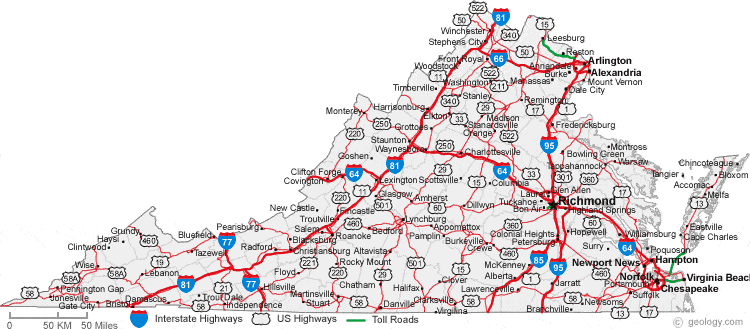
Winifred grew up in Virginia in the small town of Monterey. She earned a Bachelor of Arts in English with Folklore and Mythology Concentration plus an Anthropology Minor at George Mason University in Fairfax County, Virginia. There she joined the Anthropology Club, Board Game Club, Craft Club, Folklore Roundtable, and Mason Swim Club.
After her superpowers manifested, Winifred took the name Wyrida and began working at historic and fantasy events. As part of the Mystic Forest group touring Renaissance Faires, Wyrida spins wool into thread and makes phantasmagoric webs. She also scatters charms around the grounds, and anyone who finds one can hang it on the web to make a wish. Otherwise people can hang an offering of their own.
Origin: While visiting the ruins of a prophetic shrine as a college student, Winifred was bitten by a spider. The bite left her too sick to continue the tour, but she developed superpowers from it.
Uniform: At Renaissance Faires, she wears a tattered gown in shades of white and beige with black lace. Off duty, she favors practical women's clothes in similar neutral colors.
Qualities: Expert (+4) Wisdom, Good (+2) Dexterity, Good (+2) Entertainer, Good (+2) Mentor, Good (+2) Mysterious
Poor (-2) Straight Talk
Powers: Average (0) Wyrd Woman
The power Wyrd is highly variable. Sometimes it shows her the future, or the past, or the present unseen. It can bind Fate, or more rarely, break it. Occasionally it grants wishes. The most consistent thing it can do is actually among the least requested: tell people their life purpose(s). And she can't charge for it, although she can draw pay as an entertainer.
Motivation: To collect stories.
Bachelor of Arts in English with Folklore and Mythology Concentration
at George Mason University in Fairfax County, Virginia
The Bachelor of Arts in English offers students the opportunity to study literature, creative writing, screen cultures, writing and rhetoric, linguistics, folklore and mythology, and cultural studies. Of these seven concentrations, students pursue one or two that best match their interests and career objectives. Students are encouraged to pursue internships related to their concentrations and receive faculty mentorship throughout that process. In fact, English classes are kept small so faculty members may provide students with personalized attention. Students write in a range of traditional and digital forms and in a variety of contexts; student work culminates in a research project written for the major capstone course in their concentration. For students who want to challenge themselves even further, there is an Honors Program in English, which includes a thesis option, as well as other opportunities to pursue advanced research or creative projects; for those who want to become teachers, there is a bachelor’s/accelerated master’s program that English offers in conjunction with the College of Education and Human Development.
Degree Requirements
Total credits: minimum 120
Core Courses in the Major
Required Courses
Field Introduction Courses
ENGH 305 Dimensions of Writing and Literature (Mason Core) 3
Select 3 credits from the following: 3
ENGH 315 Folklore and Folklife (Mason Core)
Theory Course
ENGH 308 Theory and Inquiry 3
Apex Course
Select 3 credits from the following: 3
ENGH 417 RS: Topics in Folklore Research (Mason Core)
Total Credits 12
English Department Requirements
Courses taken to fulfill this requirement may simultaneously satisfy a concentration. Special topics courses, when relevant, may be used to fulfill this requirement with the prior written approval of the department.
Code Title Credits
Literature before 1800
Select 3 credits from the following: 3
ENGH 321 English Poetry and Prose of the 16th Century
Literature before 1915
Select 3 credits from courses listed above and the following: 3
ENGH 335 Prose and Poetry of the Victorian Period
Literature after 1915
Select 3 credits from the following. Special topics courses, when relevant, may also be used to fulfill this requirement with the prior written approval of the department. 3
ENGH 352 Topics in Ethnic American Literature
Minority, Folkloric, or Popular Literary and Cultural Traditions
Select 3 credits from the following:
ENGH 315 Folklore and Folklife (Mason Core)
Total Credits 12
Concentration in Folklore and Mythology (FOLK)
Code Title Credits
Select 9 credits in folklore and mythology from the following: 9
ENGH 316 Topics in Myth and Literature
ENGH 414 Folklore and the Supernatural
ENGH 415 Folk Art and Folk Artists
ENGH 416 Folklore and Migration
Select up to 6 credits related to folklore and mythology from the following: 6
ENGH 362 Global Voices (Mason Core)
May include one course from outside the English Department chosen from:
ANTH 313 Myth, Magic, and Mind (Mason Core)
Total Credits 15
Writing Intensive Requirement
The university requires all students to complete at least one course designated "writing intensive" in their majors at the 300 level or above. Students majoring in English fulfill this requirement by successfully completing:
Code Title Credits
ENGH 305 Dimensions of Writing and Literature (Mason Core) 3
Total Credits 3
Minor in Anthropology
at George Mason University in Fairfax County, Virginia
A minor in anthropology enriches many majors with its holistic and cross-cultural perspective. It is a good fit for students majoring in biology, communication, English, history, psychology, sociology, and others. This minor will be useful for anyone contemplating an international career or a future profession involving culturally-diverse populations.
Core Courses
Code Title Credits
ANTH 114 Introduction to Cultural Anthropology (Mason Core) 3
ANTH 120 Unearthing the Past: Prehistory, Culture and Evolution (Mason Core) 3
ANTH 135 Introduction to Biological Anthropology (Mason Core) 3
Total Credits 9
Electives
Code Title Credits
Select three elective courses in anthropology at the 300- or 400- level 9
ANTH 331: Refugees. 3 credits.
ANTH 355: Human Origins. 3 credits.
ANTH 374: Archaeology of Hunter-Gatherers. 3 credits.
ANTH 398: Study Abroad: Mystic Adventures. 1-6 credits.
ANTH 450: Ethnographic Research Methods. 3 credits.
Total Credits 9
Anthropology Courses
Clubs
The Anthropology Club at George Mason
The mission of this club is to enrich the George Mason Community by hosting events, films, researchers, speakers and performers that embrace diversity, support multiculturalism and global perspectives, and encourage cross-cultural learning in a manner that will contribute to the global world within George Mason Community. Additionally, the club will support the academic work of the Anthropology program at George Mason University by holding informal meetings for prospective anthropology majors and minors, presenting opportunities for students to attend anthropological conferences and meetings, and serving as a resource and an organizational structure for anthropology students and all other students who are interested in cross-cultural experimental learning. As a student organization affiliated with the Sociology and Anthropology Department, the Anthropology Club of George Mason is also an affiliated member of the American Anthropology Association.
Board Game Club at Mason
The Mason Board Game Club aims to allow Mason students to meet new people, foster new friendships, and build confidence and social skills through playing board games with fellow members.
Craft Club at George Mason University
tldr: Craft club at GMU - no fees, free supplies, you pick what we make. Low-pressure - this is not a competition. Come chill and meet cool people!
Our mission is to provide a welcoming, judgment-free space where students can de-stress, unleash their creativity, and build meaningful connections through the joy of crafting while promoting sustainability. We believe that creativity belongs to everyone, regardless of skill level, (beginners welcome!) and that making things together creates lasting friendships and memories. Our member-driven approach ensures every voice is heard and every creative idea has the potential to become our next workshop! We believe that creativity belongs to everyone, regardless of skill level or financial situation, which is why we operate with no membership fees.
Folklore Roundtable
The GMU Folklore Roundtable is a companion to Mason's Folklore Studies Program which is a leading center for the study of vernacular cultures and the historical, cultural and social context in which these cultures are rooted. The program has a distinguished 40-year history that offers students of all levels opportunities to study the broad range of human expression including narrative, dance, material culture, verbal art, cultural performances, foodways, and sense of place. Our diverse course offerings provide theoretical and historical grounding in the study of folklore with a strong emphasis in writing and ethnographic research methods.
Mason Swim Club
Our mission is to provide students an opportunity to stay in shape and provide a great social atmosphere to create a sense of belongingness in such a big community. We want to establish an environment where people can continue their competitive swim careers or just stay in the water to stay in shape.
Virginia Population Density Map
Virginia Cities Map
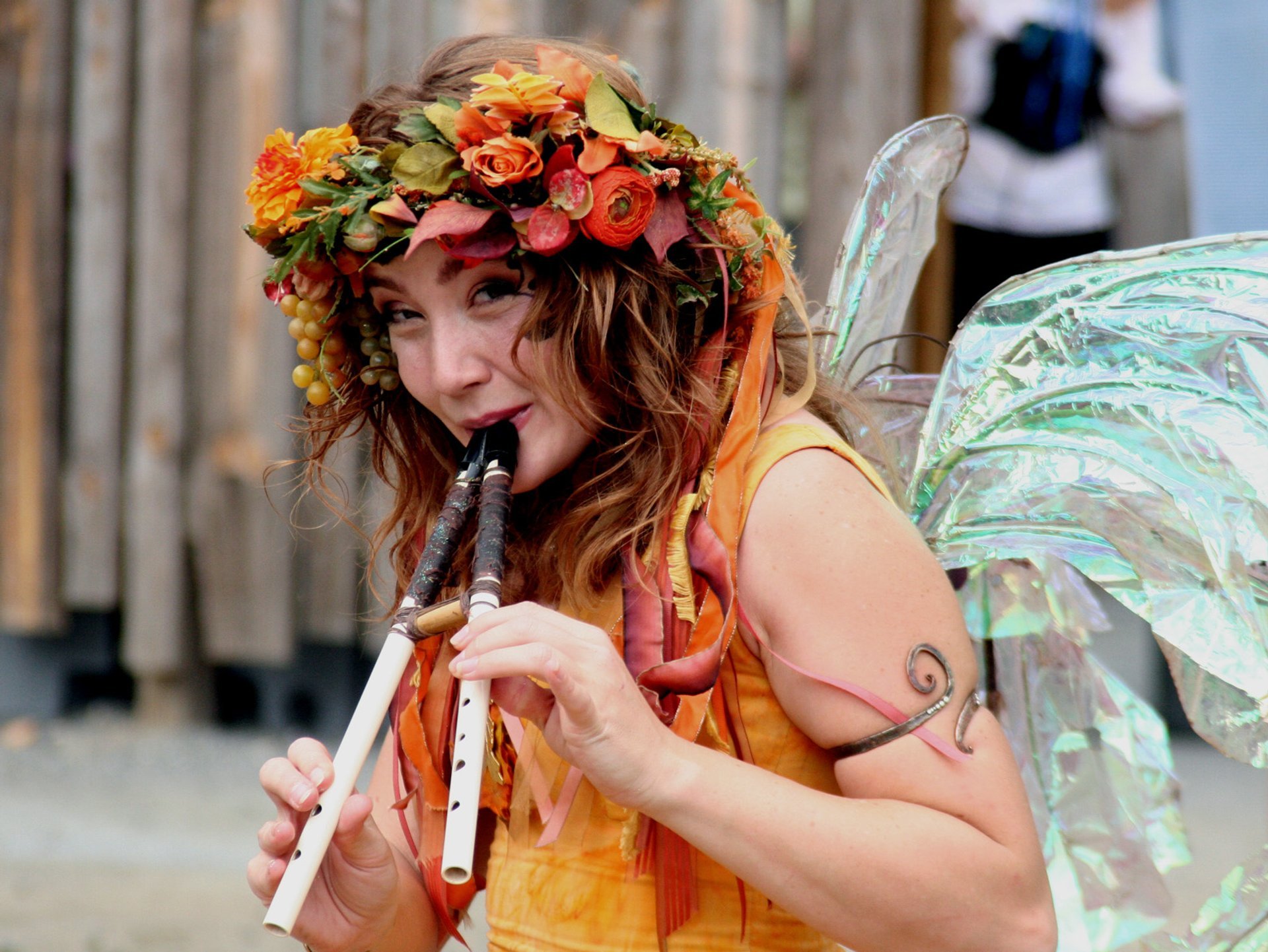
Piper (Polina Neso Forsythe) -- She has fair skin, brown eyes, and long wavy chestnut hair. She is short and curvy. She has diaphanous fairy wings. Her heritage includes American, Britannian, and Greek. She speaks English and Greek. She is 29 years old in 2015.
Polina grew up in rural New York. She has always had a knack for music and a flighty personality. She plays the aulos, a double pipe from Greek tradition. When her superpowers manifested, that explained a lot. She took the name Piper and began frequenting historic and fantasy events. Currently she leads the Mystic Forest group touring Renaissance Faires, along with her husband Cernach (Carl Forsythe). She plays music and performs small bits of Fairy Magic.
Origin: Her powers manifested at puberty.
Uniform: At Renaissance Faires, Piper dresses in bright fairy garb, often warm colors with a headdress of leaves, flowers, and fruit such as grapes. Off duty, she wears bohemian women's clothes, mostly in warm tones.
Qualities: Expert (+4) Musician, Good (+2) Cheerful, Good (+2) Dexterity, Good (+2) Leader, Good (+2) Naturalistic Intelligence
Poor (-2) Concentration
Powers: Good (+2) Fairy
Her fairy abilities include Fairy Aura, Fairy Magic, and Flight. Subjective Reality is essentially the same ability used to influence Underhill, as the presence of fairies makes ordinary reality more malleable.
Motivation: To inspire people.
Cernach (Carl Forsythe) -- He has tinted skin, brown eyes, and short brown hair with a mustache and beard. He is tall and muscular with deer antlers. His heritage includes American, Britannian, and Irish. He speaks English and Irish. He is 34 years old in 2015.
Carl grew up in rural Connecticut. He has always done well with entertainment, especially theatre. When he sprouted antlers, he gained a bunch of new abilities. He took the name Cernach and began frequenting historic and fantasy events. Currently he leads the Mystic Forest group touring Renaissance Faires, along with his wife Piper (Polina Neso Forsythe). He recites folk tales and excerpts from plays.
Origin: His abilities manifested at puberty.
Uniform: At Renaissance Faires, he wears an outfit of leaves, flowers, and fruit. Off duty, he likes outdoorsy menswear primarily in shades of brown, green, blue, and purple.
Qualities: Expert (+4) Leader, Good (+2) Entertainer, Good (+2) Naturalistic Intelligence, Good (+2) Protective, Good (+2) Strength
Poor (-2) Faking Normal
Powers: Good (+2) Fairy, Good (+2) Horned Man
As a Horned Man, he relates to Pagan, animal, and deer deities as an avatar. He has antlers. His abilities include Animal Communication, Enhanced Agility, Enhanced Leaping, Mammal Manipulation, and Prey Instinct. As a fairy he has Fairy Aura, Fairy Magic, Misdirection, and Subjective Reality. Subjective Reality is essentially the same ability used to influence Underhill, as the presence of fairies makes ordinary reality more malleable.
Motivation: Protection.
Cernunnos has been tentatively linked with Conall Cernach, a hero of medieval Irish mythology, and some later depictions of cross-legged and horned figures in medieval art.
As for the Irish side of affairs, Cernunnos is also vaguely identified with Conall Cernach, the foster brother to the hero Cú Chulainn – with the Cernach epithet (sounding close to Cernunnos) alluding to ‘being victorious’ or ‘bearing a prominent growth’.
Talking of etymology, befitting the mysterious nature of the forest god, his theonym ‘Cernunnos’ also has ambiguous origins. However, the similar-sounding karnon from Gaulish (cognate with Latin cornu and Germanic hurnaz), ultimately derived from Proto-Indo-European k̑r̥no-, means ‘horn’.
Centaurs
Charli Dobbs
Dodge (Annie Poke)
Lilita Nieves
Michann Largent
Miriam Stern
Sorley Xanthopoulos
Tran Thi Kim Van
Shifters
Nebuly (Darian Cormac)
Turq (Drustan Moreau)
Mystic Forest
Laimonis the Magician (Logan Ozols)
Lottie Bottom's Daughter (Charlotte "Lottie" Higgenbotham)
Wyrida (Winifred Easley)
Piper (Polina Neso Forsythe)
Cernach (Carl Forsythe)
Others
Officer Pink (Ansel Nicholson)
Abigail Teasdale
* * *
Laimonis the Magician (Logan Ozols) -- He has fair skin, brown eyes, and long wavy brown hair with a mustache and beard. His heritage includes American, Irish, and Latvian. He speaks English and Latin. He is 40 years old in 2015.
Logan grew up in rural New Hampshire where people generally thought of him as a daydreamer and bookworm who would never amount to much. In high school, he belonged to the Theatre Club where he practiced slight-of-hand, juggling, and other performing arts. During summers, he worked at Renaissance Faires. Logan went on to earn a Bachelor of Arts in Integrated Studies in Philosophy and Literature with a Creative Writing Minor at the New England College in Henniker, New Hampshire. There he joined the clubs BookWyrms, Meditation Station, Media and Fine Art Society, New England College Role-Playing Association, and Ravens and Writing Desks.
After graduating, Logan joined developed the character of Laimonis the Magician for his Renaissance Faire work, serving as a Quest Giver and entertainer. He belongs to Mystic Forest, a caravan troupe of soups. As a Fate-Touched wizard, Laimonis often serves as a guide to young heroes. His own mentor is Wyrida. Logan also sells poetry, fiction, and creative nonfiction. He excels at big picture thinking, but struggles with practical details.
Origin: His powers grew in gradually during his college years while he was studying philosophy.
Uniform: At Renaissance Faires, he wears a white robe, a black and taupe cloak, and a belt with multiple pouches; he carries a staff. Multiple raccoon tails decorate the cloak and the staff. Off duty, he likes practical menswear in neutral colors of black, brown, taupe, and white.
Qualities: Good (+2) Creative Writing, Good (+2) Dexterity, Good (+2) Performing Arts, Good (+2) Philosophy and Literature, Good (+2) Wisdom
Poor (-2) Practical Details
Powers: Good (+2) Existential Intelligence, Good (+2) Fate-Touched
His aspects of Fate include Destiny Sense, Destiny Assignment, Epiphany, Higher Consciousness, and Probability Manipulation.
Motivation: To understand.
Bachelor of Arts in Integrated Studies in Philosophy and Literature
at the New England College in Henniker, New Hampshire
The New England College Bachelor of Arts (BA) in Integrated Studies in Philosophy and Literature offers an innovative combination of two disciplines whose chief concern is the human quest for meaning and purpose.
NEC’s Bachelor of Philosophy and Literature program requires completion of 120 credits, as follows:
Required Courses in Philosophy and Literature (8 credits)
Cultural History (12 credits)
Interpreting Experience (16 credits)
Liberal Arts & Sciences Core Curriculum (42 credits)
Electives (42 credits)
Requirements
Required Courses in Philosophy and Literature
(8 credits)
• PL 1100 - Making Sense of the World: An Introduction to Great Works in Philosophy and Literature (4 credits)
• PL 4300 - Imagining the World: The Poetic Mind in the Digital Age (4 credits)
Cultural History
Three courses required in the Literature and/or Philosophy of a specific historical period, marking a foundation for or significant shift in a culture's thought for a total of 12 credits
Ancient Philosophy/Literature (4 credits)
One course from the following:
• PL 2991 - Topics in Ancient Philosophy and Literature: The Nature of Fate (4 credits)
One course from
Renaissance Philosophy/Literature
Or
Modern Philosophy/Literature-(4 credits)
Courses fulfilling this requirement are:
Renaissance Philosophy/Literature
(4 credits)
One course from the following:
• PA 3150 (WS 3150) - Medieval/Renaissance Philosophy (4 credits)
Or
Modern Philosophy/Literature
(4 credits)
One course from the following:
• EN 2001 - Topics in Modern Literary Movements: Free Will and Plot (4 credits)
Contemporary Philosophy/Literature
(4 credits)
One course from the following:
• PA 3510 - Existential Philosophy (4 credits)
Interpreting Experience
4 courses for a total of 16 credits, with at least 12 credits at or above the 3000 level. These requirements will be fulfilled through careful course selection in conversation with student advisors in order to best support the interests and direction of the individual student's course of study.
Appropriate courses will explore our understanding of self in relation to the arts, morality, nature, culture, society, reason or science, and may be drawn from either philosophy or literature or a course that integrates both. Courses used to satisfy credit in Cultural History and Interpretive Experience may not count for credit in both areas.
Courses fulfilling this requirement are:
• PL 3992 - Topics in Renaissance Philosophy and Literature: Enlightenment and Logic (4 credits)
• PA 2710 (WS 2710) - Philosophy of the Irrational (4 credits)
• PL 3070 (EN 3070) - Dystopian Literature (4 credits)
• EN 2070 (WS 2070) - Comparative Mythology (4 credits)
• EN 3000 - Advanced Topics Literary Movements: Dadaism (4 credits)
Liberal Arts & Sciences Core Curriculum, Bachelor's Degree
• LAS 1000 - First-Year Seminar (4 credits)
• WR 1010 - Composition or approved LAS Writing course. (4 credits)
• MT 1100 - Quantitative Reasoning(MT courses numbered higher than 1100 are acceptable) (4 credits)
• LAS 1 (LAS 1110) - The Natural Environment - Understanding Our Place in the Natural World (4 credits)
• LAS 2 (LAS 1120) - The Civic Environment - Democratic Values (4 credits)
• LAS 3 (LAS 2110) - Creative Arts (4 credits)
• LAS 4 (LAS 2120) - Social Sciences (4 credits)
• LAS 5 (LAS 2130) - Natural and Biological Sciences (4 credits)
• LAS 6 (LAS 2140) - Humanities (4 credits)
• LAS 7 (LAS 3110) - Global Perspectives (4 credits)
• LAS Elective Credits: 4 (One additional course that meets any LAS requirement or combination of two 2-credit approved electives.)
LAS 2115: New Hampshire en Plein Air (4 credits)
Electives
Select additional electives to reach 120 credits for a Bachelor's degree.
Creative Writing Minor (20 credits)
at the New England College in Henniker, New Hampshire
Creative Writing Minor Core
All students must take
• CW 1100 - Introduction to Creative Writing Credits: 4
• EN 1930 - Survey of American Literature Credits: 4
Literary Movements
Select one 2000 level literary movements course.
• EN 2000 - Topics in Literary Movements: Classics and Classicism Credits: 4
Additional Creative Writing Courses
Select two of courses from the following list:
• CW 2100 - Fiction Workshop Credits: 4
• CW 2110 - Poetry Workshop Credits: 4
• CW 2120 - Creative Nonfiction Workshop Credits: 4
Clubs
BookWyrms
Meditation Station (T-American)
MFAS: Media and Fine Art Society
New England College Role-Playing Association (NECRA)
Ravens and Writing Desks
Abigail Teasdale -- She has tinted skin, brown, eyes, and long wavy brown hair. She wears glasses. She is petite with shallow curves. Her heritage includes American, Missouri French, and a little Osage. She speaks English and French. She is 19 years old in 2015.
Abigail has just started her second year working toward an Associate of Arts in General Transfer Studies at the River City Community College. There she belongs to the Crochet Club, Culture Club, Mass Media Club, Tabletop Roleplaying Club, and River Adventures. She plans to transfer to a four-year college later.
Abigail loves reading and volunteers at the local library. She also enjoys watching sports and performing as a cheerleader. She excels at making friends with a wide range of people, nerds and jocks alike. She wears colorful women's clothes. Her base colors are brown, tan, and ivory accented with burgundy, goldenrod, and olive with matching accessories.
Qualities: Good (+2) Bookworm, Good (+2) Cheerleader, Good (+2) Happy, Good (+2) Library Volunteer, Good (+2) Making Friends
Poor (-2) Heat Tolerance
Taken (T)
Currently Taking (C)
Planned (P)
Associate of Arts in General Transfer Studies
at the River City Community College
Focus Area: Communication Full-Time Academic Plan
This academic plan is a recommended sequence for this pathway. It serves as a general guideline to help you build a course schedule each term that supports your timely completion. The College has made every effort to ensure its accuracy. However, the map is not a substitute for academic advisement—contact your advisor if you have any questions about your degree requirements.
Missouri Civics Examination. Students entering college for the very first time in fall 2019 and who intend to complete an associate’s degree must successfully complete a civics examination. Information on who is eligible for a waiver can be found on the STLCC website.
PLEASE NOTE: If you originally enrolled at STLCC prior to Spring 2026, you may need to view an archived catalog for your correct program requirements. Please speak with an advisor or the program coordinator for more information.
First Year
Fall Credit Hours Prerequisites Milestones/Notes
ENG 101
College Composition I (MOTR ENGL 100) (T) 3 Placement score or ENG 030 or ENG 070 with a grade of "C" or better or recommendation of department and Reading Proficiency or concurrent enrollment in RDG 079 This fulfills part of the written communications requirement.
COM 201
Interpersonal Communication (MOTR COMM 120) (T) 3 Reading Proficiency This fulfills the oral communication requirement.
MCM 101
Introduction to Mass Communications (MOTR SBSC 100) (T) 3 Reading Proficiency This fulfills part of the social and behavioral science requirement.
Choose one of the following:
(Already fluent in French, she took literater classes in French.) 4 This fulfills part of the humanities requirement
FRE 260 French Poetry in French (T) Reading Proficiency
Choose one of the following: 3 This fulfills the mathematics requirement
MTH 160
Precalculus Algebra (MOTR MATH 130) (or higher) (T) MTH 140 (or MTH 140S) with a minimum grade of "C" or satisfactory score on placement test, and Reading Proficiency
Credit Hours 16
Spring Credit Hours Prerequisites Milestones/Notes
ENG 102
College Composition II (MOTR ENGL 200) (T) 3 ENG 101 with a minimum grade of "C" and Reading Proficiency This fulfills part of the written communications requirement.
Choose one of the following: 4 This fulfills part of the humanities requirement.
FRE 270 French Short Fiction in French (T) FRE 101 with a minimum grade of "C" or 2 years of high school French and Reading Proficiency
XXX xxx
COM 104
Elective
Persuasion (T) 3 See options listed below.
Credit Hours 14
Summer Credit Hours Prerequisites Milestones/Notes
MCE 100
Missouri Civics Examination (T) 0
PSC 101
Social & Behavioral Sciences: Civics Requirement
PSC 101 Introduction to American Politics (MOTR POSC 101) (T) 3 This fulfills the civics requirement.
Credit Hours 3
Second Year
Fall Credit Hours Prerequisites Milestones/Notes
XXX xxx
GEO 100
Natural Science Elective
Earth Science (MOTR PHYS 110ES) (C) 3 Science must be from different disciplines. One course must be a lab. See suggestions listed below.
Choose one of the following: 3 This fulfills part of the humanities requirement.
ENG 231
World Literature (MOTR LITR 200) (C) ENG 101 with a minimum grade of "C" and Reading Proficiency
Choose one of the following: 3 This fulfills part of the CORE 42 elective.
XXX xxx
SOC 216
Elective
Introduction to Gender Studies (C) 3 See options listed below.
Choose one of the following: 4 This fulfills part of the elective requirement.
FRE 270 French Novels in French (C) FRE 102 with a minimum grade of "C" or three years of high school French and Reading Proficiency
Credit Hours 16
Spring Credit Hours Prerequisites Milestones/Notes
Choose one of the following: 3 This fulfills part of the social and behavioral science requirement.
COM 200
Communication Between Cultures (MOTR SBSC 101) (P) Reading Proficiency
Choose one of the following: 3 This fulfills part of the elective requirement.
COM 103
Small Group Communication (MOTR COMM 125) (P) Reading Proficiency
XXX xxx
ART 105 Elective
Missouri en Plein Air (P) 3 See options listed below.
XXX xxx
ENG 216
Elective
Women in Literature (MOTR LITR 106) (P) 3 See options listed below.
Credit Hours 12
Total Credit Hours 61
Clubs
Crochet Club
Culture Club
Mass Media Club
Tabletop Roleplaying Club
River Adventures
Wyrida (Winifred Easley) -- She has fair skin, gray eyes, and thin ash-brown hair that straggles past her shoulders. She has a round, cratered scar on the back of her left hand in the web of the thumb where a spider bit her. Her heritage includes American, Scandinavian, and a little Ojibwe. She speaks English and Norse. She is 55 years old in 2015.
Winifred grew up in Virginia in the small town of Monterey. She earned a Bachelor of Arts in English with Folklore and Mythology Concentration plus an Anthropology Minor at George Mason University in Fairfax County, Virginia. There she joined the Anthropology Club, Board Game Club, Craft Club, Folklore Roundtable, and Mason Swim Club.
After her superpowers manifested, Winifred took the name Wyrida and began working at historic and fantasy events. As part of the Mystic Forest group touring Renaissance Faires, Wyrida spins wool into thread and makes phantasmagoric webs. She also scatters charms around the grounds, and anyone who finds one can hang it on the web to make a wish. Otherwise people can hang an offering of their own.
Origin: While visiting the ruins of a prophetic shrine as a college student, Winifred was bitten by a spider. The bite left her too sick to continue the tour, but she developed superpowers from it.
Uniform: At Renaissance Faires, she wears a tattered gown in shades of white and beige with black lace. Off duty, she favors practical women's clothes in similar neutral colors.
Qualities: Expert (+4) Wisdom, Good (+2) Dexterity, Good (+2) Entertainer, Good (+2) Mentor, Good (+2) Mysterious
Poor (-2) Straight Talk
Powers: Average (0) Wyrd Woman
The power Wyrd is highly variable. Sometimes it shows her the future, or the past, or the present unseen. It can bind Fate, or more rarely, break it. Occasionally it grants wishes. The most consistent thing it can do is actually among the least requested: tell people their life purpose(s). And she can't charge for it, although she can draw pay as an entertainer.
Motivation: To collect stories.
Bachelor of Arts in English with Folklore and Mythology Concentration
at George Mason University in Fairfax County, Virginia
The Bachelor of Arts in English offers students the opportunity to study literature, creative writing, screen cultures, writing and rhetoric, linguistics, folklore and mythology, and cultural studies. Of these seven concentrations, students pursue one or two that best match their interests and career objectives. Students are encouraged to pursue internships related to their concentrations and receive faculty mentorship throughout that process. In fact, English classes are kept small so faculty members may provide students with personalized attention. Students write in a range of traditional and digital forms and in a variety of contexts; student work culminates in a research project written for the major capstone course in their concentration. For students who want to challenge themselves even further, there is an Honors Program in English, which includes a thesis option, as well as other opportunities to pursue advanced research or creative projects; for those who want to become teachers, there is a bachelor’s/accelerated master’s program that English offers in conjunction with the College of Education and Human Development.
Degree Requirements
Total credits: minimum 120
Core Courses in the Major
Required Courses
Field Introduction Courses
ENGH 305 Dimensions of Writing and Literature (Mason Core) 3
Select 3 credits from the following: 3
ENGH 315 Folklore and Folklife (Mason Core)
Theory Course
ENGH 308 Theory and Inquiry 3
Apex Course
Select 3 credits from the following: 3
ENGH 417 RS: Topics in Folklore Research (Mason Core)
Total Credits 12
English Department Requirements
Courses taken to fulfill this requirement may simultaneously satisfy a concentration. Special topics courses, when relevant, may be used to fulfill this requirement with the prior written approval of the department.
Code Title Credits
Literature before 1800
Select 3 credits from the following: 3
ENGH 321 English Poetry and Prose of the 16th Century
Literature before 1915
Select 3 credits from courses listed above and the following: 3
ENGH 335 Prose and Poetry of the Victorian Period
Literature after 1915
Select 3 credits from the following. Special topics courses, when relevant, may also be used to fulfill this requirement with the prior written approval of the department. 3
ENGH 352 Topics in Ethnic American Literature
Minority, Folkloric, or Popular Literary and Cultural Traditions
Select 3 credits from the following:
ENGH 315 Folklore and Folklife (Mason Core)
Total Credits 12
Concentration in Folklore and Mythology (FOLK)
Code Title Credits
Select 9 credits in folklore and mythology from the following: 9
ENGH 316 Topics in Myth and Literature
ENGH 414 Folklore and the Supernatural
ENGH 415 Folk Art and Folk Artists
ENGH 416 Folklore and Migration
Select up to 6 credits related to folklore and mythology from the following: 6
ENGH 362 Global Voices (Mason Core)
May include one course from outside the English Department chosen from:
ANTH 313 Myth, Magic, and Mind (Mason Core)
Total Credits 15
Writing Intensive Requirement
The university requires all students to complete at least one course designated "writing intensive" in their majors at the 300 level or above. Students majoring in English fulfill this requirement by successfully completing:
Code Title Credits
ENGH 305 Dimensions of Writing and Literature (Mason Core) 3
Total Credits 3
Minor in Anthropology
at George Mason University in Fairfax County, Virginia
A minor in anthropology enriches many majors with its holistic and cross-cultural perspective. It is a good fit for students majoring in biology, communication, English, history, psychology, sociology, and others. This minor will be useful for anyone contemplating an international career or a future profession involving culturally-diverse populations.
Core Courses
Code Title Credits
ANTH 114 Introduction to Cultural Anthropology (Mason Core) 3
ANTH 120 Unearthing the Past: Prehistory, Culture and Evolution (Mason Core) 3
ANTH 135 Introduction to Biological Anthropology (Mason Core) 3
Total Credits 9
Electives
Code Title Credits
Select three elective courses in anthropology at the 300- or 400- level 9
ANTH 331: Refugees. 3 credits.
ANTH 355: Human Origins. 3 credits.
ANTH 374: Archaeology of Hunter-Gatherers. 3 credits.
ANTH 398: Study Abroad: Mystic Adventures. 1-6 credits.
ANTH 450: Ethnographic Research Methods. 3 credits.
Total Credits 9
Anthropology Courses
Clubs
The Anthropology Club at George Mason
The mission of this club is to enrich the George Mason Community by hosting events, films, researchers, speakers and performers that embrace diversity, support multiculturalism and global perspectives, and encourage cross-cultural learning in a manner that will contribute to the global world within George Mason Community. Additionally, the club will support the academic work of the Anthropology program at George Mason University by holding informal meetings for prospective anthropology majors and minors, presenting opportunities for students to attend anthropological conferences and meetings, and serving as a resource and an organizational structure for anthropology students and all other students who are interested in cross-cultural experimental learning. As a student organization affiliated with the Sociology and Anthropology Department, the Anthropology Club of George Mason is also an affiliated member of the American Anthropology Association.
Board Game Club at Mason
The Mason Board Game Club aims to allow Mason students to meet new people, foster new friendships, and build confidence and social skills through playing board games with fellow members.
Craft Club at George Mason University
tldr: Craft club at GMU - no fees, free supplies, you pick what we make. Low-pressure - this is not a competition. Come chill and meet cool people!
Our mission is to provide a welcoming, judgment-free space where students can de-stress, unleash their creativity, and build meaningful connections through the joy of crafting while promoting sustainability. We believe that creativity belongs to everyone, regardless of skill level, (beginners welcome!) and that making things together creates lasting friendships and memories. Our member-driven approach ensures every voice is heard and every creative idea has the potential to become our next workshop! We believe that creativity belongs to everyone, regardless of skill level or financial situation, which is why we operate with no membership fees.
Folklore Roundtable
The GMU Folklore Roundtable is a companion to Mason's Folklore Studies Program which is a leading center for the study of vernacular cultures and the historical, cultural and social context in which these cultures are rooted. The program has a distinguished 40-year history that offers students of all levels opportunities to study the broad range of human expression including narrative, dance, material culture, verbal art, cultural performances, foodways, and sense of place. Our diverse course offerings provide theoretical and historical grounding in the study of folklore with a strong emphasis in writing and ethnographic research methods.
Mason Swim Club
Our mission is to provide students an opportunity to stay in shape and provide a great social atmosphere to create a sense of belongingness in such a big community. We want to establish an environment where people can continue their competitive swim careers or just stay in the water to stay in shape.
Virginia Population Density Map
Virginia Cities Map
Piper (Polina Neso Forsythe) -- She has fair skin, brown eyes, and long wavy chestnut hair. She is short and curvy. She has diaphanous fairy wings. Her heritage includes American, Britannian, and Greek. She speaks English and Greek. She is 29 years old in 2015.
Polina grew up in rural New York. She has always had a knack for music and a flighty personality. She plays the aulos, a double pipe from Greek tradition. When her superpowers manifested, that explained a lot. She took the name Piper and began frequenting historic and fantasy events. Currently she leads the Mystic Forest group touring Renaissance Faires, along with her husband Cernach (Carl Forsythe). She plays music and performs small bits of Fairy Magic.
Origin: Her powers manifested at puberty.
Uniform: At Renaissance Faires, Piper dresses in bright fairy garb, often warm colors with a headdress of leaves, flowers, and fruit such as grapes. Off duty, she wears bohemian women's clothes, mostly in warm tones.
Qualities: Expert (+4) Musician, Good (+2) Cheerful, Good (+2) Dexterity, Good (+2) Leader, Good (+2) Naturalistic Intelligence
Poor (-2) Concentration
Powers: Good (+2) Fairy
Her fairy abilities include Fairy Aura, Fairy Magic, and Flight. Subjective Reality is essentially the same ability used to influence Underhill, as the presence of fairies makes ordinary reality more malleable.
Motivation: To inspire people.
Cernach (Carl Forsythe) -- He has tinted skin, brown eyes, and short brown hair with a mustache and beard. He is tall and muscular with deer antlers. His heritage includes American, Britannian, and Irish. He speaks English and Irish. He is 34 years old in 2015.
Carl grew up in rural Connecticut. He has always done well with entertainment, especially theatre. When he sprouted antlers, he gained a bunch of new abilities. He took the name Cernach and began frequenting historic and fantasy events. Currently he leads the Mystic Forest group touring Renaissance Faires, along with his wife Piper (Polina Neso Forsythe). He recites folk tales and excerpts from plays.
Origin: His abilities manifested at puberty.
Uniform: At Renaissance Faires, he wears an outfit of leaves, flowers, and fruit. Off duty, he likes outdoorsy menswear primarily in shades of brown, green, blue, and purple.
Qualities: Expert (+4) Leader, Good (+2) Entertainer, Good (+2) Naturalistic Intelligence, Good (+2) Protective, Good (+2) Strength
Poor (-2) Faking Normal
Powers: Good (+2) Fairy, Good (+2) Horned Man
As a Horned Man, he relates to Pagan, animal, and deer deities as an avatar. He has antlers. His abilities include Animal Communication, Enhanced Agility, Enhanced Leaping, Mammal Manipulation, and Prey Instinct. As a fairy he has Fairy Aura, Fairy Magic, Misdirection, and Subjective Reality. Subjective Reality is essentially the same ability used to influence Underhill, as the presence of fairies makes ordinary reality more malleable.
Motivation: Protection.
Cernunnos has been tentatively linked with Conall Cernach, a hero of medieval Irish mythology, and some later depictions of cross-legged and horned figures in medieval art.
As for the Irish side of affairs, Cernunnos is also vaguely identified with Conall Cernach, the foster brother to the hero Cú Chulainn – with the Cernach epithet (sounding close to Cernunnos) alluding to ‘being victorious’ or ‘bearing a prominent growth’.
Talking of etymology, befitting the mysterious nature of the forest god, his theonym ‘Cernunnos’ also has ambiguous origins. However, the similar-sounding karnon from Gaulish (cognate with Latin cornu and Germanic hurnaz), ultimately derived from Proto-Indo-European k̑r̥no-, means ‘horn’.