Content notes for "Dance in the Sun"
Dec. 19th, 2019 04:21 pm![[personal profile]](https://www.dreamwidth.org/img/silk/identity/user.png) ysabetwordsmith
ysabetwordsmithHere are the content notes for "Dance in the Sun."
“Let us dance in the sun, wearing wild flowers in our hair…”
-- Susan Polis Shutz
See Shiv's gray suitcoat with embroidered flowers and gray suede dancing shoes.
Originally, men always wore a boutonniere on the left side. In queer culture, flagging uses items such as a handkerchief or keys to indicate role preference: left for a top, right for a bottom.
In Terramagne-America, a lead dancer wears a boutonniere or flower pin on the left lapel, follow dancer wears it on the right, and a dancer who can do both wears one on each side. (For this reason, there are often buttonholes on both sides. Note that this is separate from any other flagging.) Following the 20-year curve, T-America is pretty flexible about dance roles; anyone can lead or follow, and many people dance with partners of diverse genders. It is neither rare nor remarkable to see women leading or men following, or same-sex couples. Anyone can ask anyone to dance, but it remains more common for a leader to ask a follower -- hence the usefulness of flagging roles. With this idea in mind, anyone can deploy it at events in local-America simply by noting it in the invitations or posting a sign by the dance floor. You might want to offer a supply of pins or flowers for guests to use in flagging their dance role.
Pocket squares may be used to signal orientation for those who wish to flirt with intent, or in the case of acespec folks, signal disinterest in such. T-America offers suitcoats with breast pockets on both sides for people who want to show top/bottom preferences. It is easy to find both silk pocket squares and cotton bandanas in a wide range of pride flag patterns. Shiv uses an asexual pocket square.
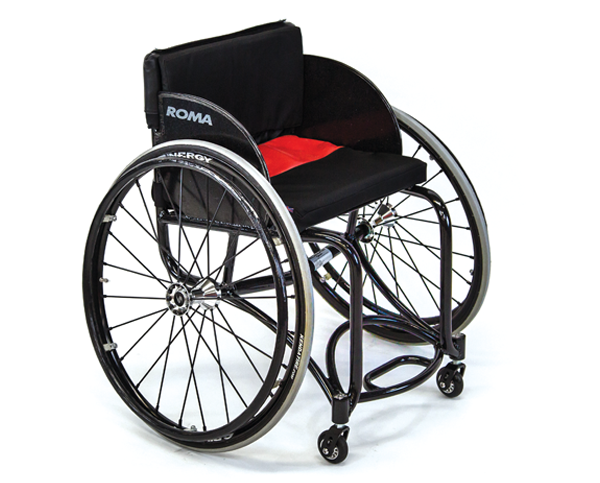
Dance wheelchairs include the impressive Roma Sport. They have a nearly straight drop in front, with tiny front wheels tucked close to canted back wheels. This makes the chair both stable and agile.
A maze-race is a fun agility exercise for wheelchairs or other adaptive equipment. The idea is to reach the center as fast as possible -- without hitting the lines. They're often drawn in chalk so the goofs show up clearly. Then you compare the times of the players to see who wins. Choose from round or square mazes.
Enjoy recipes for Sparkling Cucumber-Basil Limeade and Fruit Kebabs.
Blues dancing is relatively freeform. Watch a video lesson.
Ninety-nine percent of all blues music is played to a 4/4 time signature. If you can count to four (go ahead, 1-2-3-4 — hey, nice work!), you’ve just counted out exactly one bar of blues music.
Wheelchair stunts are fun for both ablebodied and disabled users. There are formal and casual examples of wheelies. You can spin on 2 wheels or 4 wheels. Traveling forward and backward is a basic move that works well in wheelchair dance. As with all athletic activities, you should begin by learning how to fall safely.
“Love heals. When we are wounded in the place where we would know love, it is difficult to imagine that love really has the power to change everything. No matter what has happened in our past, when we open our hearts to love we can live as if born again, not forgetting the past but seeing it in a new way, letting it live inside us in a new way. We go forward with the fresh insight that the past can no longer hurt us. … Mindful remembering lets us put the broken bits and pieces of our hearts together again. This is the way healing begins.”
– bell hooks
North Carolina wildflowers include wild rose and aster.
Introvert parties are a modestly popular and growing aspect of T-American culture. Locally not much has been done with it; introverts are either shut out of social activities or dragged through events designed for extroverts. Here are tips to plan an introvert-friendly birthday party, how to host a party as an introvert, and how to survive a party as an introvert. Because everyone deserves to have social events they can actually enjoy and not hate or get hurt in.
Closely related are inclusive parties for people with special needs. Let me begin by saying there is no universal accommodation. You cannot meet everyone's needs all the time at the same event, because some people have conflicting needs. Deaf people need music loud enough to feel; autistic people need quiet space and earplugs. Assistance animals and people with allergies/asthma are not very compatible either. In order to party with disabled folks, you have to consider their needs and how to meet those. Often this means sorting out different options into different areas or times. To include people with disabilities, consider particular categories such as autism, PTSD, multiple sclerosis, hearing impairment, and so forth. Then choose the accommodations that you and/or your guests actually need. Leave out the ones you don't need, because what helps some people may annoy or exclude others. For activities, look up games that work for deaf, blind, or other disabled people. Some of these offer different sensory experiences that pique the interest of abled guests in new ways, too.
Touchy-Feely is a series of picture books with Braille text for vision-impaired travelers. Each book showcases a number of attractions within a given area. There are series that cover the fifty states, national parks, tourist-friendly countries, major cities, and so forth. They have a large-scale map and often regional maps showing the location of sites. Then the contents are organized geographically to help readers imagine where sites are in relation to each other. Each entry includes a variety of features such as a site map, an illustration of the destination, and a description of its highlights. These books are widely distributed through tourist offices, gift shops at famous locations, and libraries. They're also stocked in waiting rooms that have a lot of vision-impaired clients.
Tolli and Simon's 3D tower puzzles include the Freedom Tower. Here is a bigger picture of it.
Mist fountains create wisps of fog from water. They are soothing to watch. You can add essential oils, such as lavender and peppermint for relaxation.
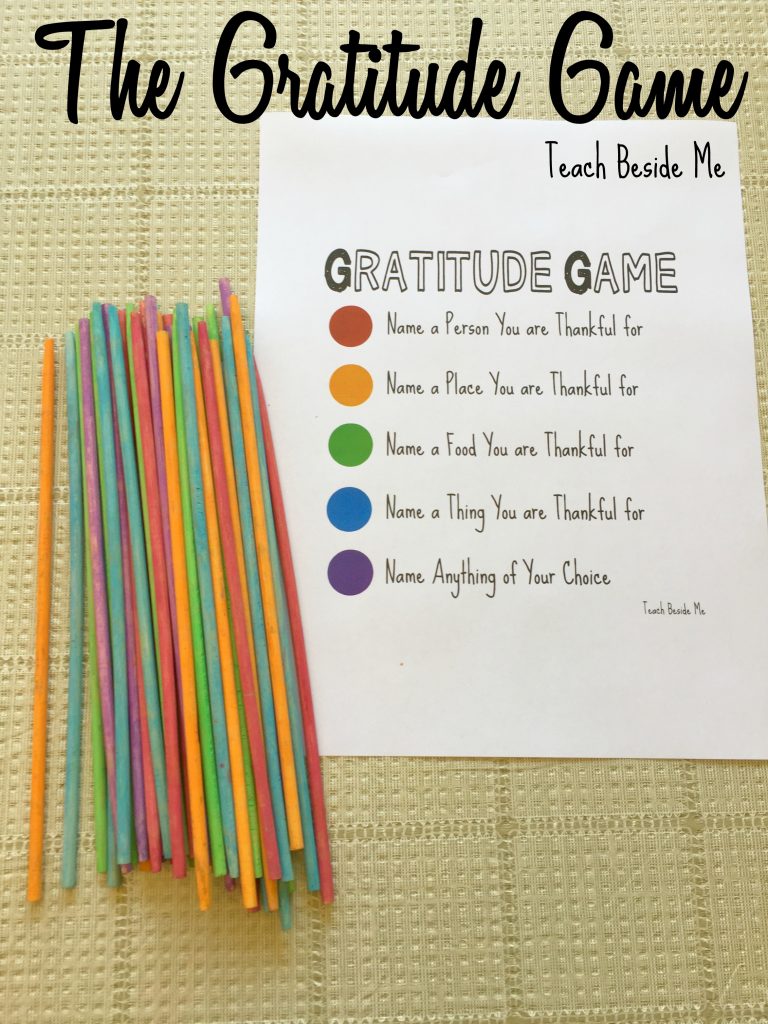
Pickup Sticks is a dexterity game that involves separating sticks from a pile without moving any of the others. This is a metal set. This set is made of plain round wood. The Gratitude Game, played with plain sticks of various colors, involves naming things you feel thankful for based on the color of stick you pick up. Some plastic sticks use different shapes to make the game harder. In addition to being a standard tabletop game, Pickup Sticks is useful in physical therapy for any condition that compromises dexterity.
This is Tolli and Simon's candid wedding album.
Portable photo printers have their pros and cons. T-America has better ones than here.
There are candid photo tips for professionals and for guests. Ideally, let the professional wedding photographer handle the posed shots and main candid scenes. Guests should focus on spontaneous moments and interactions among other guests which the main photographer will miss. T-American weddings often provide disposable cameras for guests, or encourage people to bring their own cameras. The results fill a candid photo album assembled by friends or family, which makes a perfect activity for less-sociable folks to take part in the festivities.
Disposable cameras come in film and digital versions. Again, T-America has better tech; their digitals are much better.
A balloon-stomping contest makes a fun party game.
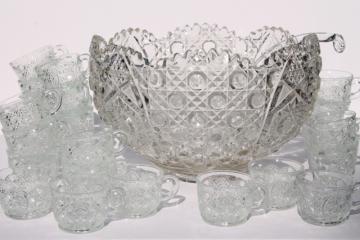
See Tolli and Simon's crystal punch bowl.
“Let us dance in the sun, wearing wild flowers in our hair…”
-- Susan Polis Shutz
See Shiv's gray suitcoat with embroidered flowers and gray suede dancing shoes.
Originally, men always wore a boutonniere on the left side. In queer culture, flagging uses items such as a handkerchief or keys to indicate role preference: left for a top, right for a bottom.
In Terramagne-America, a lead dancer wears a boutonniere or flower pin on the left lapel, follow dancer wears it on the right, and a dancer who can do both wears one on each side. (For this reason, there are often buttonholes on both sides. Note that this is separate from any other flagging.) Following the 20-year curve, T-America is pretty flexible about dance roles; anyone can lead or follow, and many people dance with partners of diverse genders. It is neither rare nor remarkable to see women leading or men following, or same-sex couples. Anyone can ask anyone to dance, but it remains more common for a leader to ask a follower -- hence the usefulness of flagging roles. With this idea in mind, anyone can deploy it at events in local-America simply by noting it in the invitations or posting a sign by the dance floor. You might want to offer a supply of pins or flowers for guests to use in flagging their dance role.
Pocket squares may be used to signal orientation for those who wish to flirt with intent, or in the case of acespec folks, signal disinterest in such. T-America offers suitcoats with breast pockets on both sides for people who want to show top/bottom preferences. It is easy to find both silk pocket squares and cotton bandanas in a wide range of pride flag patterns. Shiv uses an asexual pocket square.
Dance wheelchairs include the impressive Roma Sport. They have a nearly straight drop in front, with tiny front wheels tucked close to canted back wheels. This makes the chair both stable and agile.
A maze-race is a fun agility exercise for wheelchairs or other adaptive equipment. The idea is to reach the center as fast as possible -- without hitting the lines. They're often drawn in chalk so the goofs show up clearly. Then you compare the times of the players to see who wins. Choose from round or square mazes.
Enjoy recipes for Sparkling Cucumber-Basil Limeade and Fruit Kebabs.
Blues dancing is relatively freeform. Watch a video lesson.
Ninety-nine percent of all blues music is played to a 4/4 time signature. If you can count to four (go ahead, 1-2-3-4 — hey, nice work!), you’ve just counted out exactly one bar of blues music.
Wheelchair stunts are fun for both ablebodied and disabled users. There are formal and casual examples of wheelies. You can spin on 2 wheels or 4 wheels. Traveling forward and backward is a basic move that works well in wheelchair dance. As with all athletic activities, you should begin by learning how to fall safely.
“Love heals. When we are wounded in the place where we would know love, it is difficult to imagine that love really has the power to change everything. No matter what has happened in our past, when we open our hearts to love we can live as if born again, not forgetting the past but seeing it in a new way, letting it live inside us in a new way. We go forward with the fresh insight that the past can no longer hurt us. … Mindful remembering lets us put the broken bits and pieces of our hearts together again. This is the way healing begins.”
– bell hooks
North Carolina wildflowers include wild rose and aster.
Introvert parties are a modestly popular and growing aspect of T-American culture. Locally not much has been done with it; introverts are either shut out of social activities or dragged through events designed for extroverts. Here are tips to plan an introvert-friendly birthday party, how to host a party as an introvert, and how to survive a party as an introvert. Because everyone deserves to have social events they can actually enjoy and not hate or get hurt in.
Closely related are inclusive parties for people with special needs. Let me begin by saying there is no universal accommodation. You cannot meet everyone's needs all the time at the same event, because some people have conflicting needs. Deaf people need music loud enough to feel; autistic people need quiet space and earplugs. Assistance animals and people with allergies/asthma are not very compatible either. In order to party with disabled folks, you have to consider their needs and how to meet those. Often this means sorting out different options into different areas or times. To include people with disabilities, consider particular categories such as autism, PTSD, multiple sclerosis, hearing impairment, and so forth. Then choose the accommodations that you and/or your guests actually need. Leave out the ones you don't need, because what helps some people may annoy or exclude others. For activities, look up games that work for deaf, blind, or other disabled people. Some of these offer different sensory experiences that pique the interest of abled guests in new ways, too.
Touchy-Feely is a series of picture books with Braille text for vision-impaired travelers. Each book showcases a number of attractions within a given area. There are series that cover the fifty states, national parks, tourist-friendly countries, major cities, and so forth. They have a large-scale map and often regional maps showing the location of sites. Then the contents are organized geographically to help readers imagine where sites are in relation to each other. Each entry includes a variety of features such as a site map, an illustration of the destination, and a description of its highlights. These books are widely distributed through tourist offices, gift shops at famous locations, and libraries. They're also stocked in waiting rooms that have a lot of vision-impaired clients.
Tolli and Simon's 3D tower puzzles include the Freedom Tower. Here is a bigger picture of it.
Mist fountains create wisps of fog from water. They are soothing to watch. You can add essential oils, such as lavender and peppermint for relaxation.
Pickup Sticks is a dexterity game that involves separating sticks from a pile without moving any of the others. This is a metal set. This set is made of plain round wood. The Gratitude Game, played with plain sticks of various colors, involves naming things you feel thankful for based on the color of stick you pick up. Some plastic sticks use different shapes to make the game harder. In addition to being a standard tabletop game, Pickup Sticks is useful in physical therapy for any condition that compromises dexterity.
This is Tolli and Simon's candid wedding album.
Portable photo printers have their pros and cons. T-America has better ones than here.
There are candid photo tips for professionals and for guests. Ideally, let the professional wedding photographer handle the posed shots and main candid scenes. Guests should focus on spontaneous moments and interactions among other guests which the main photographer will miss. T-American weddings often provide disposable cameras for guests, or encourage people to bring their own cameras. The results fill a candid photo album assembled by friends or family, which makes a perfect activity for less-sociable folks to take part in the festivities.
Disposable cameras come in film and digital versions. Again, T-America has better tech; their digitals are much better.
A balloon-stomping contest makes a fun party game.
See Tolli and Simon's crystal punch bowl.